.webp?w=720&h=960&q=100)
.webp?w=720&h=960&q=100)
.webp?w=720&h=960&q=100)
.webp?w=720&h=960&q=100)
.webp?w=720&h=960&q=100)
.webp?w=720&h=960&q=100)
.webp?w=960&h=720&q=100)
.webp?w=720&h=960&q=100)
.webp?w=960&h=720&q=100)
.webp?w=960&h=954&q=100)
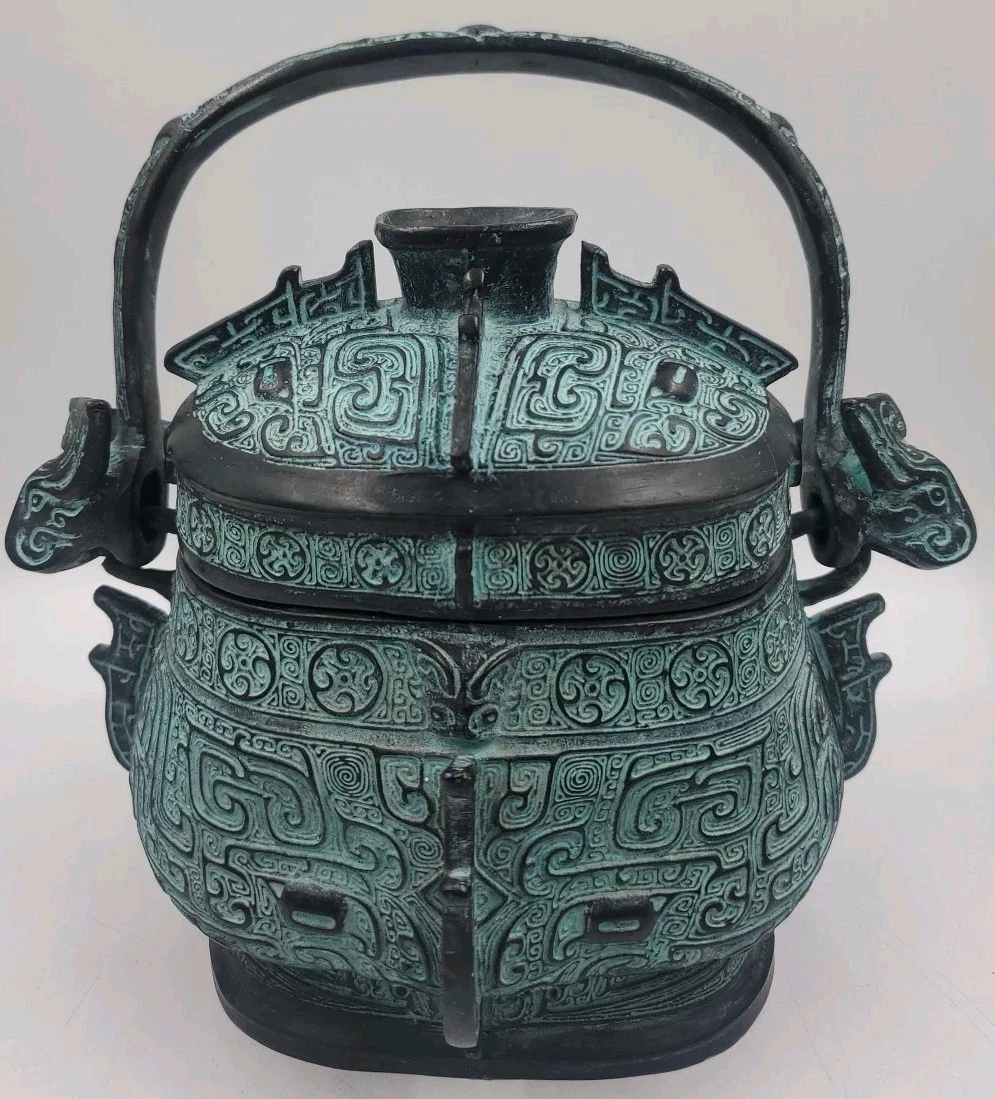
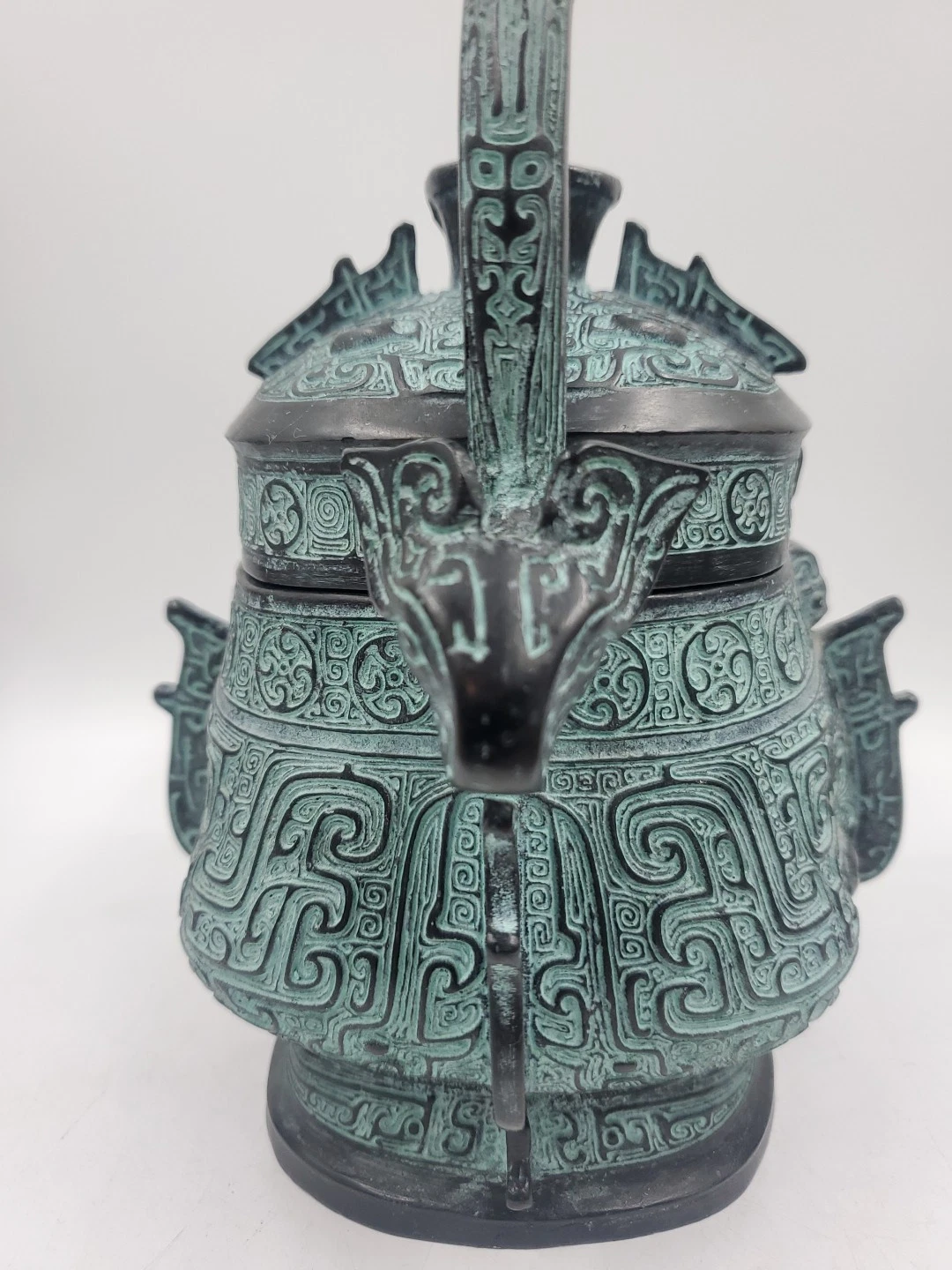
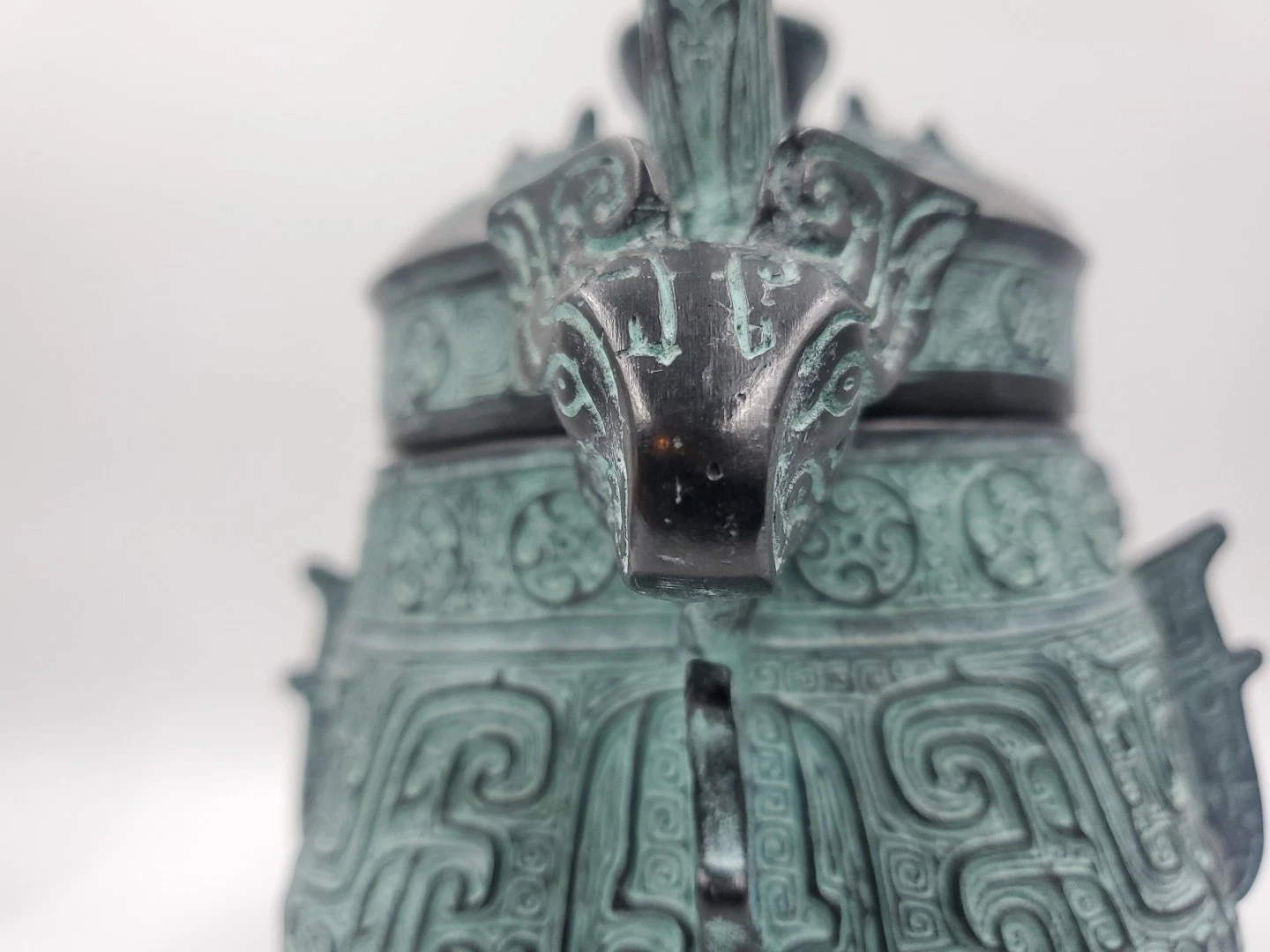
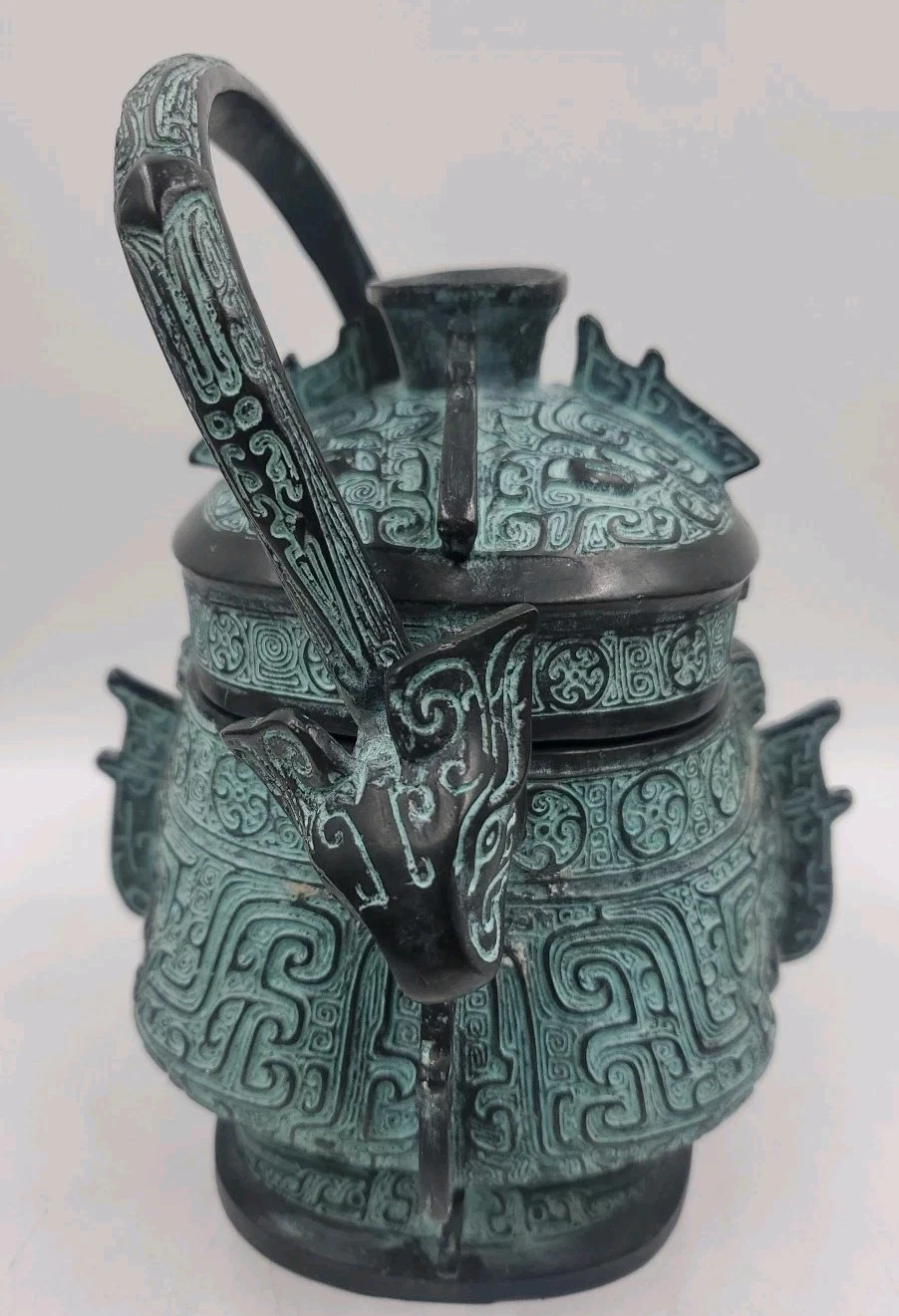
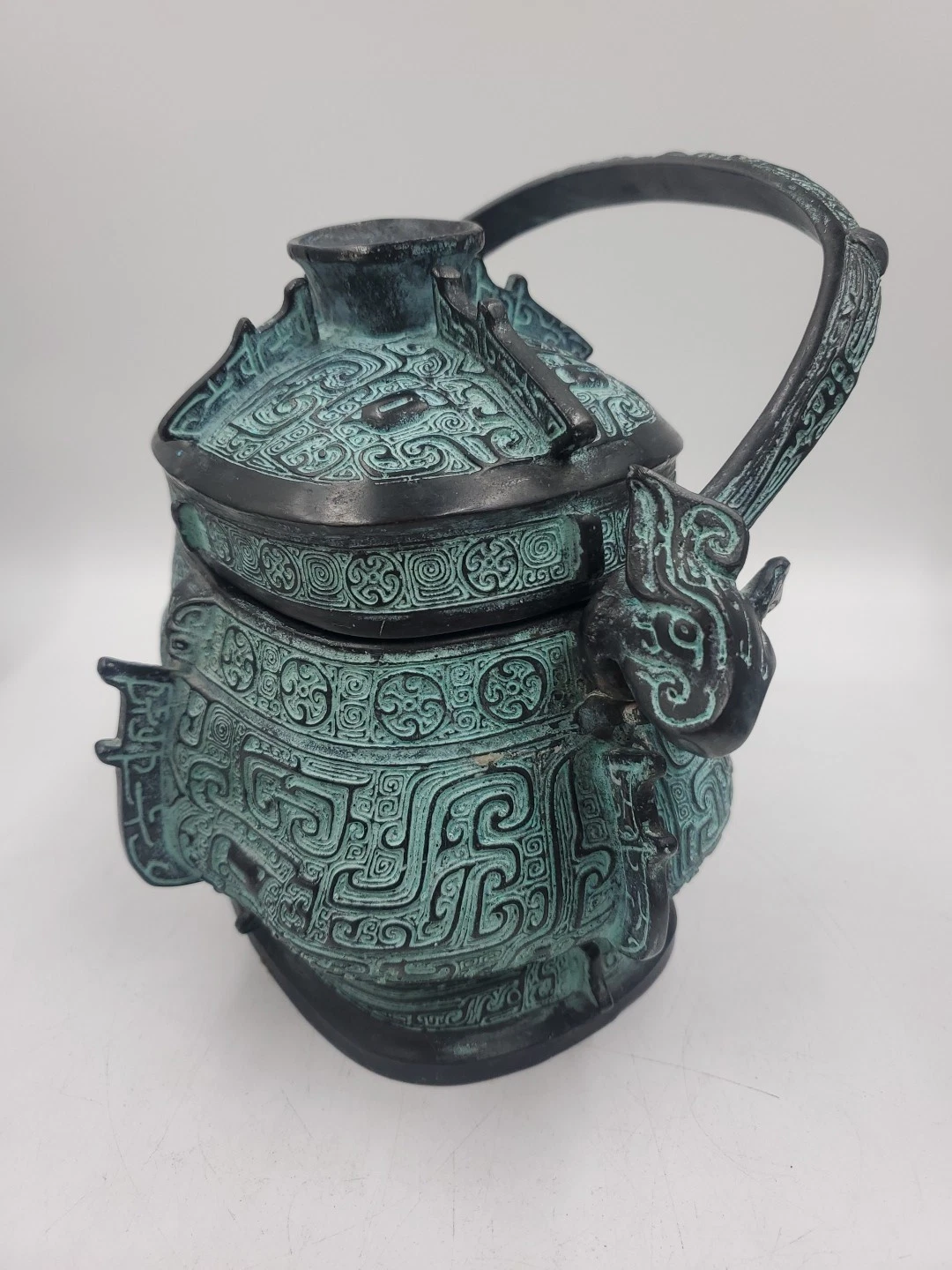
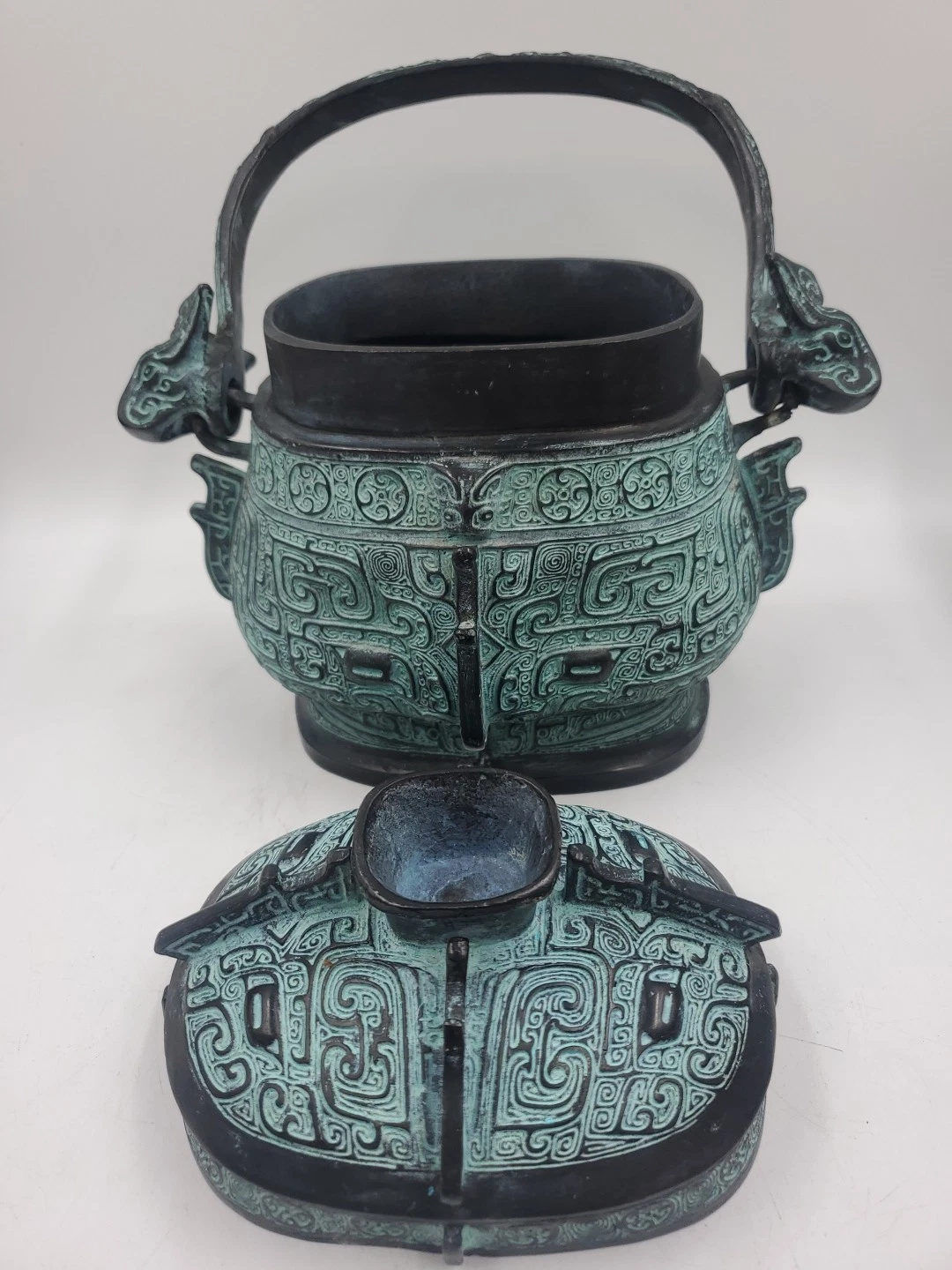
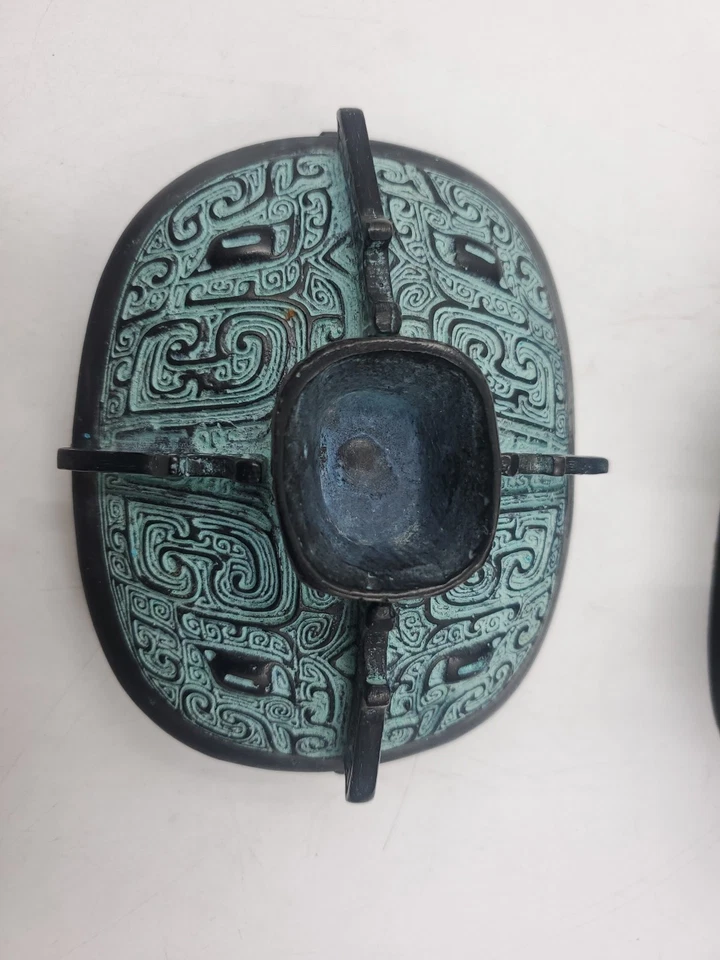
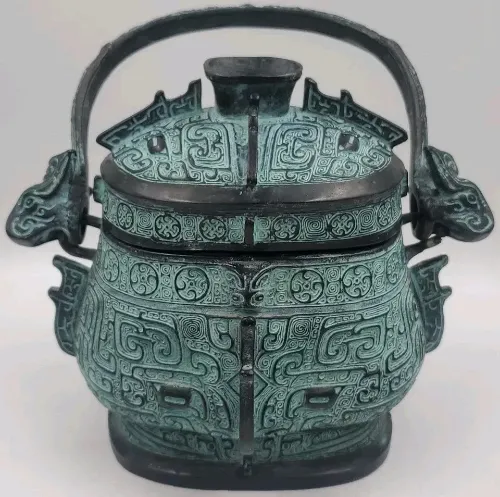
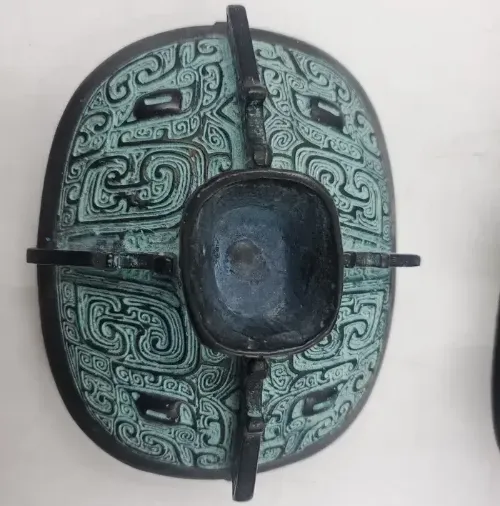
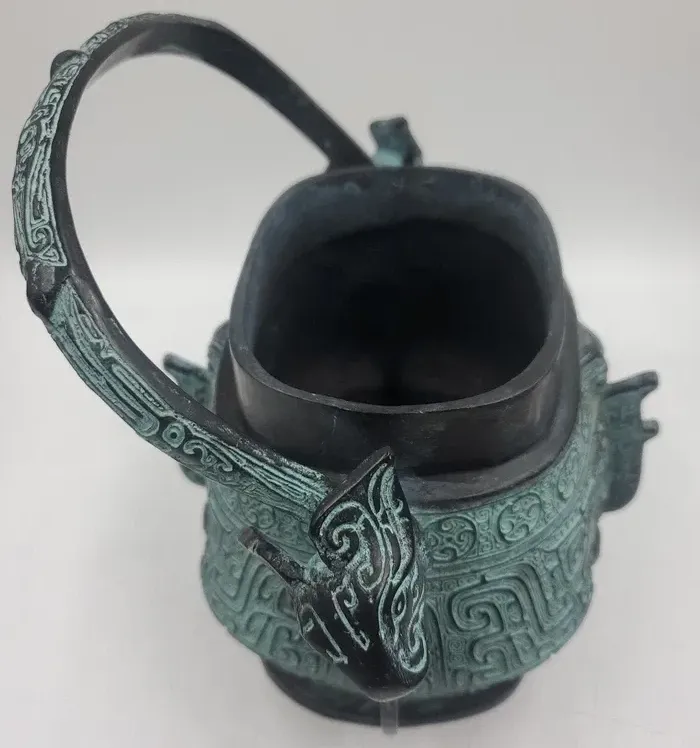
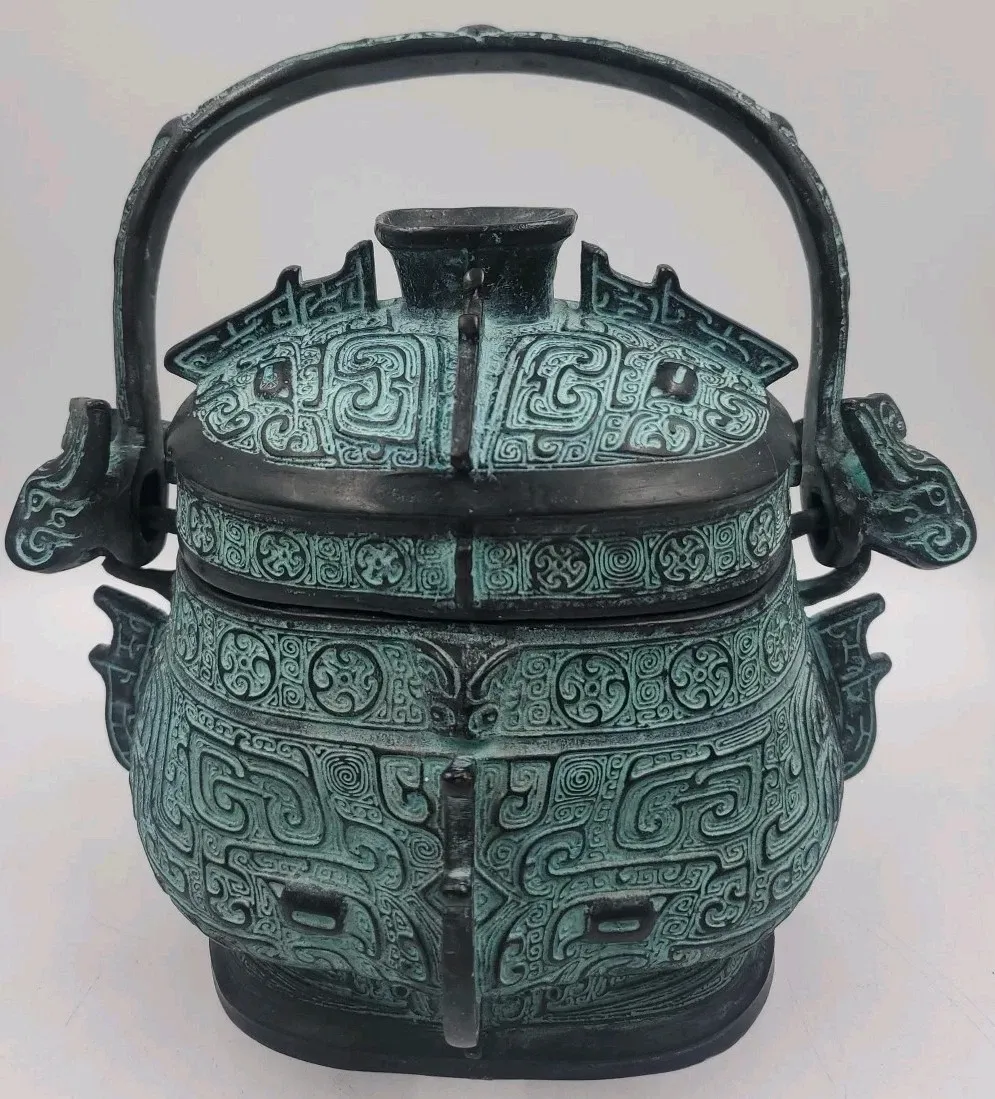
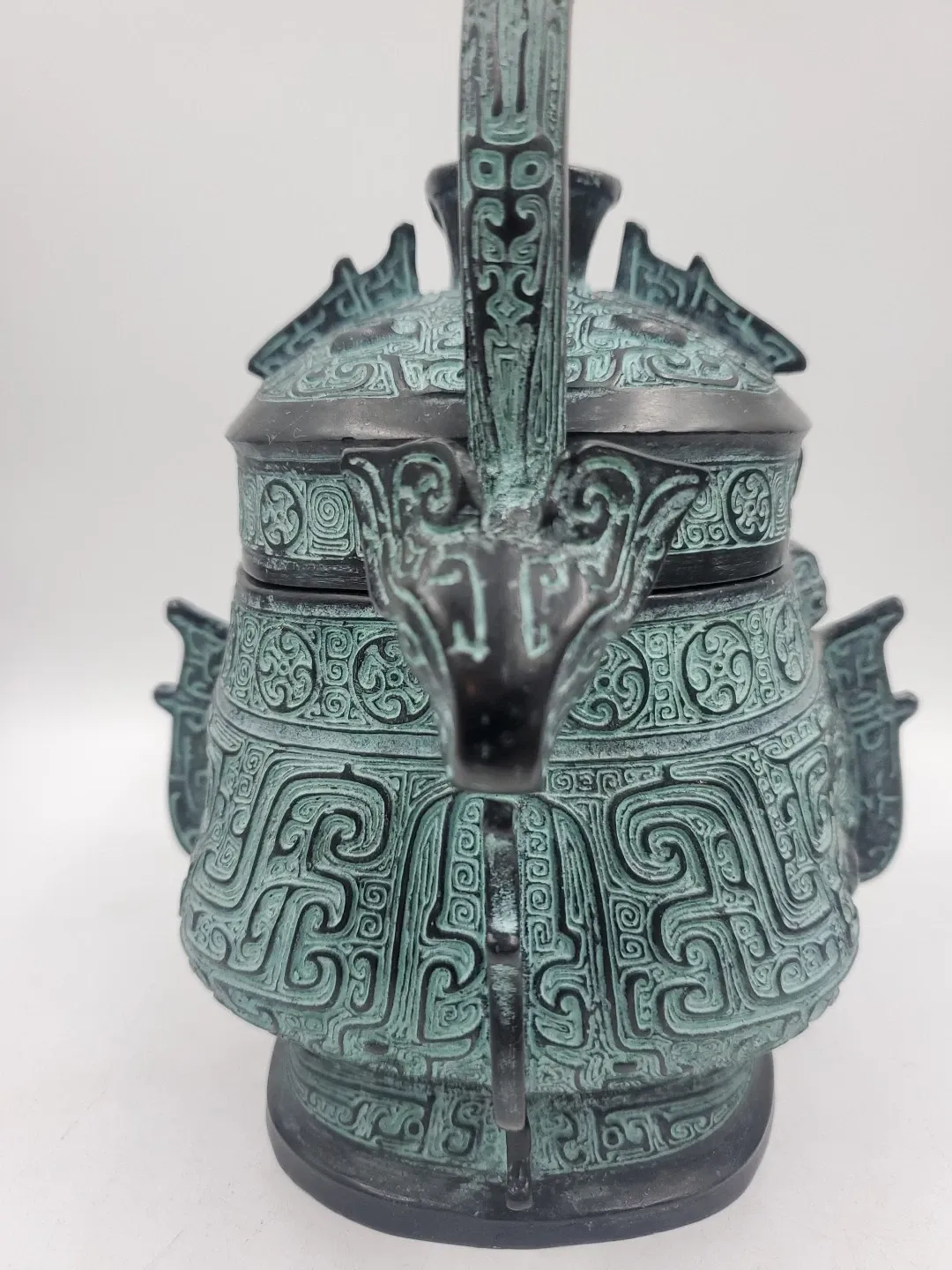
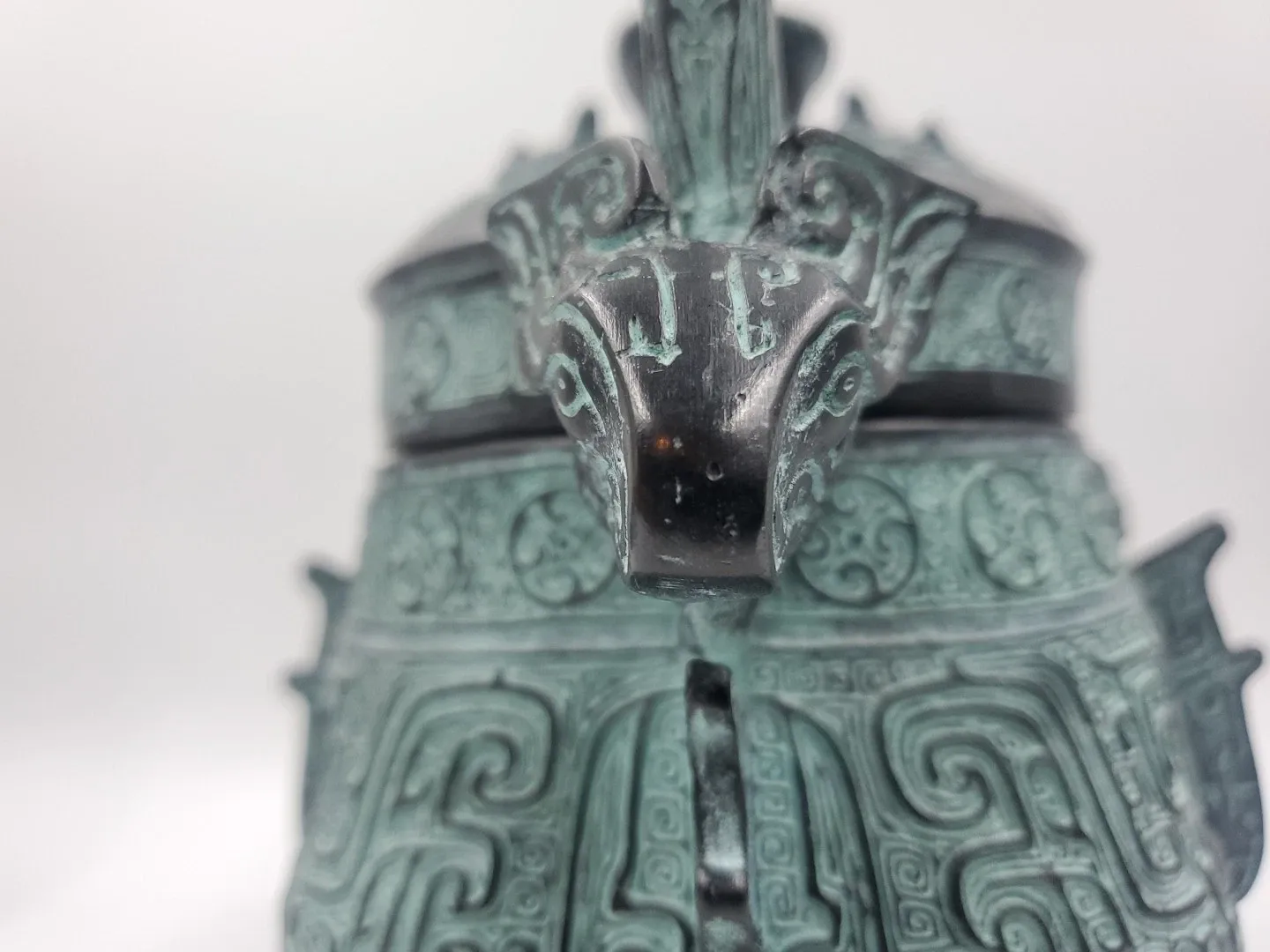
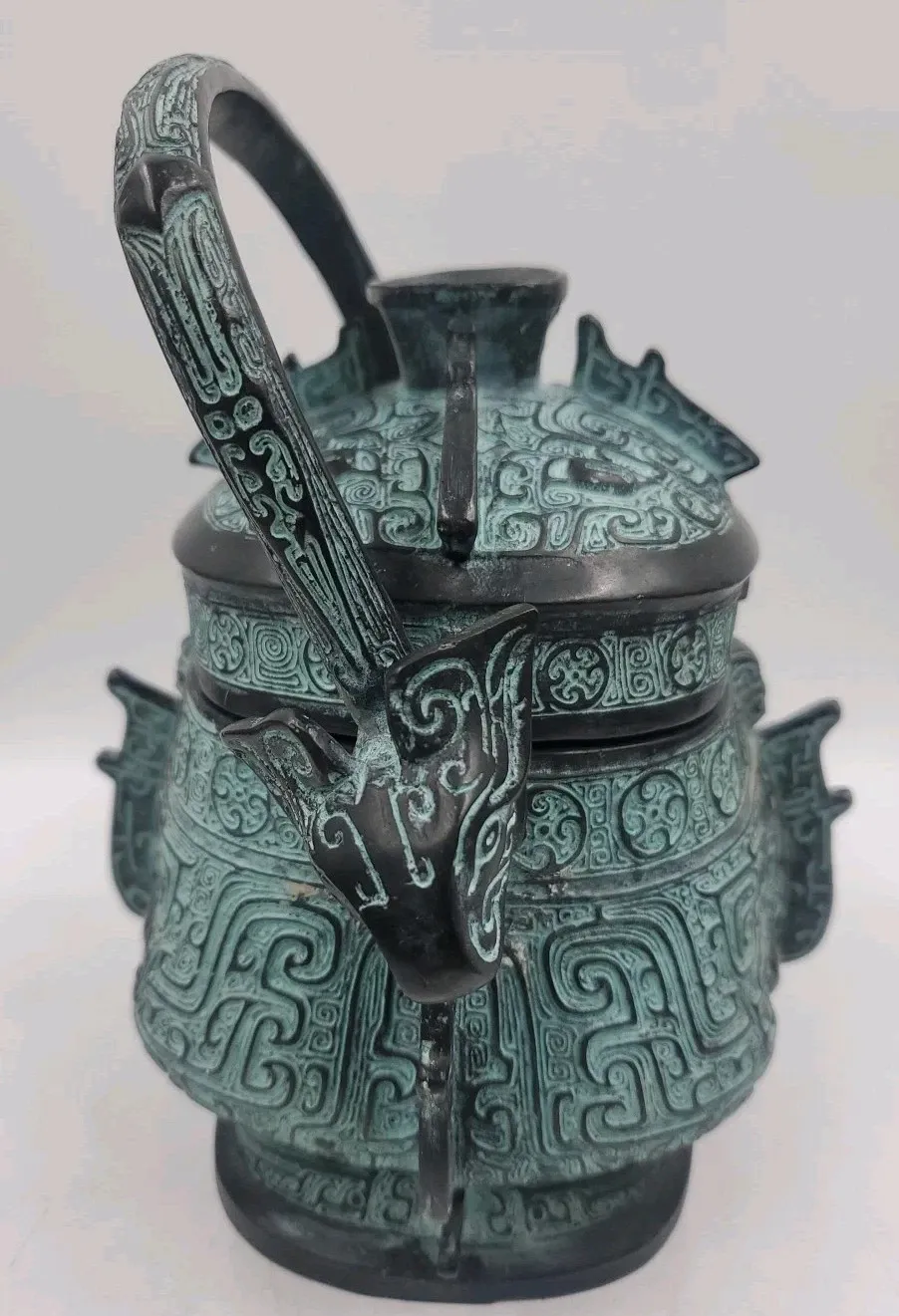
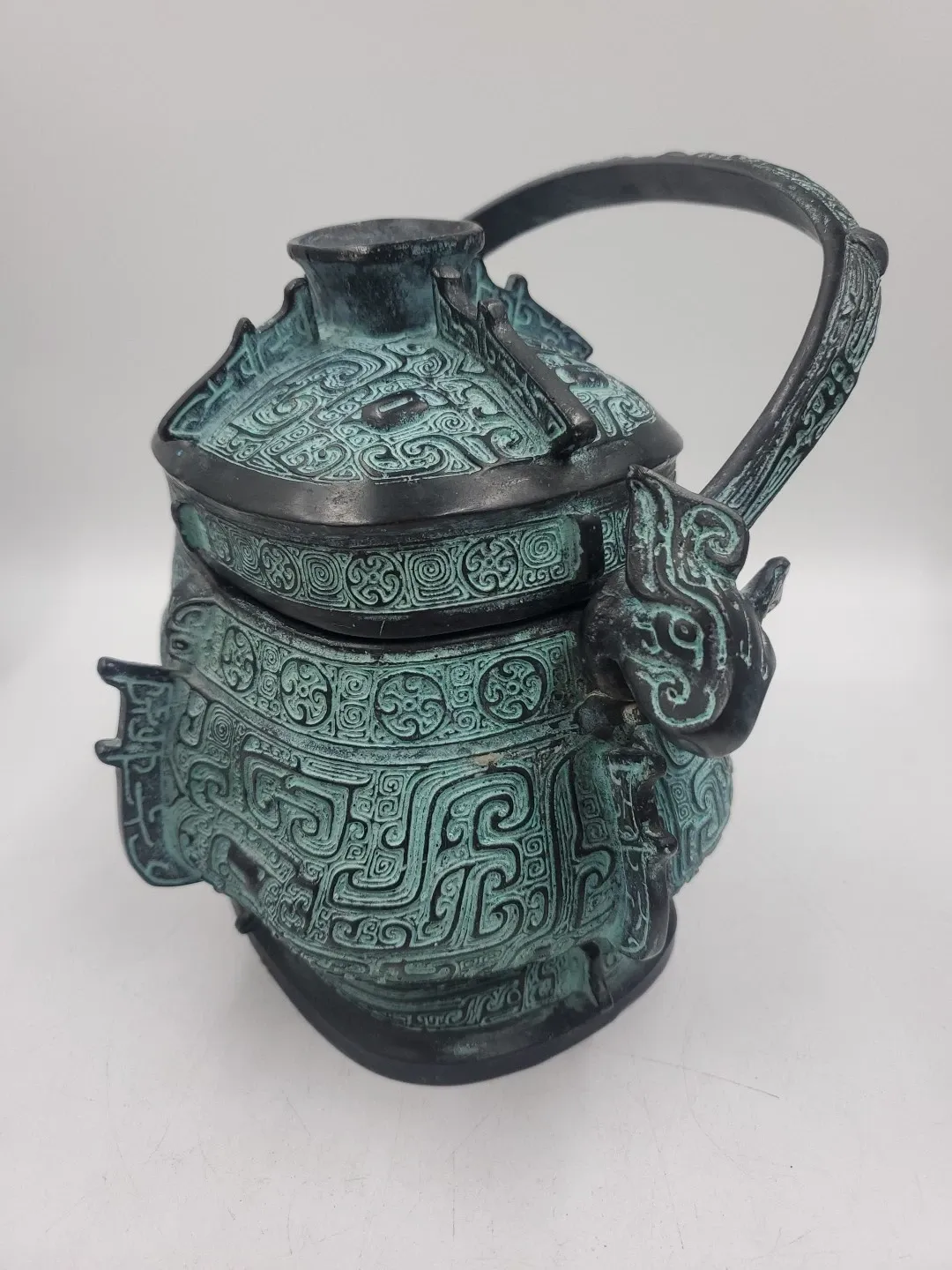
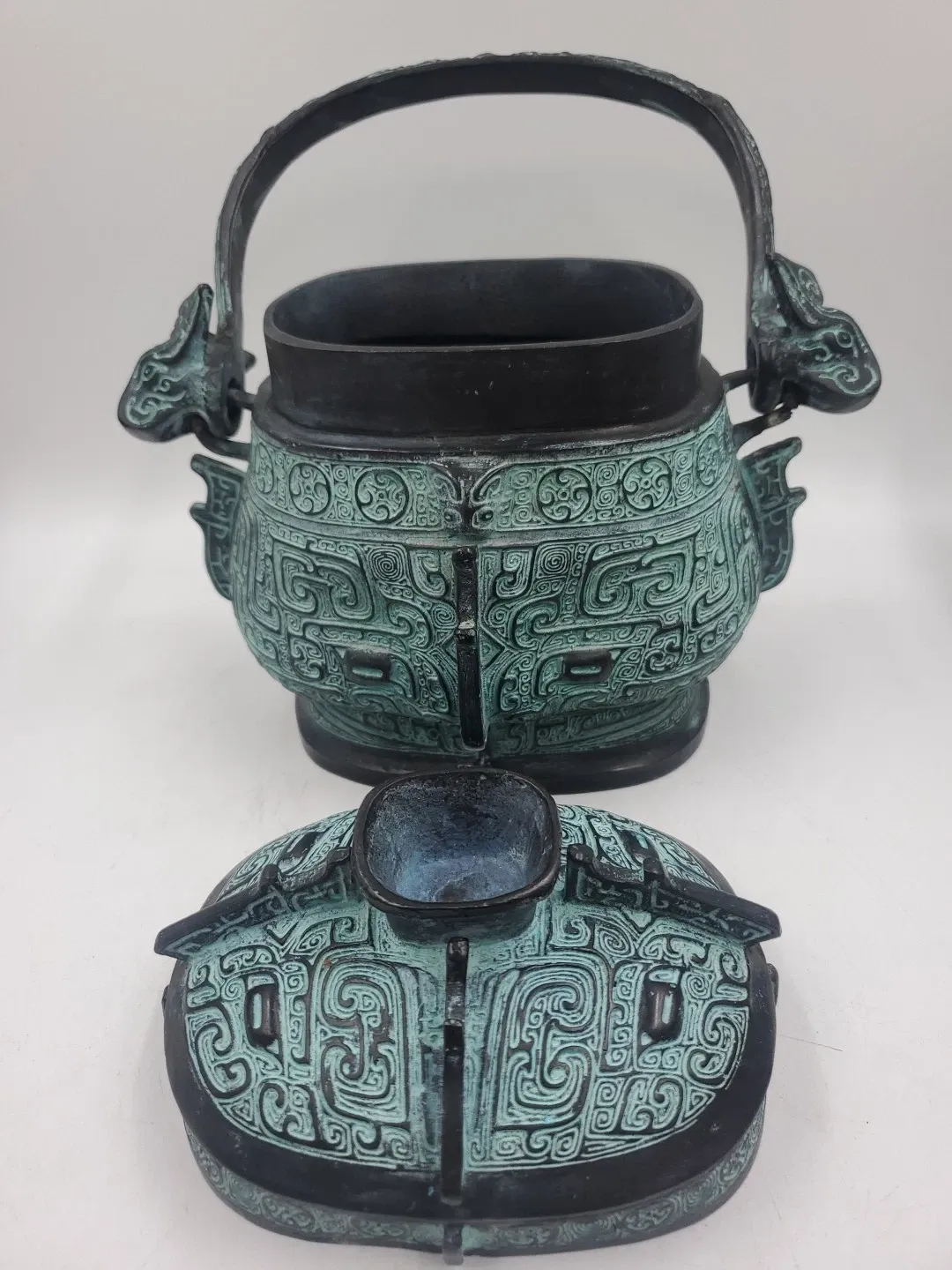
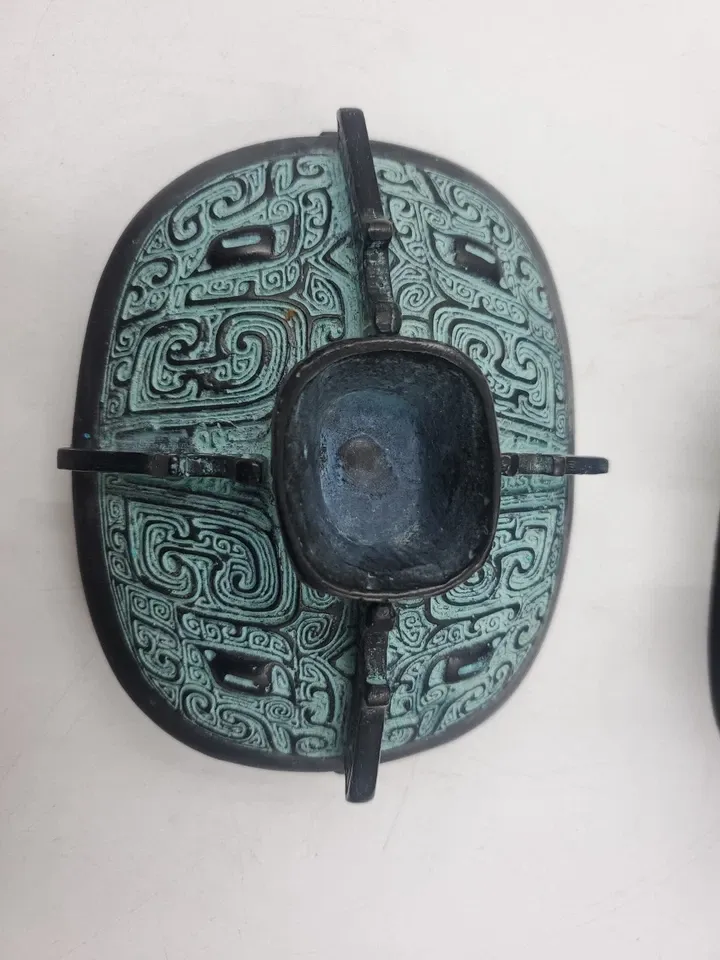
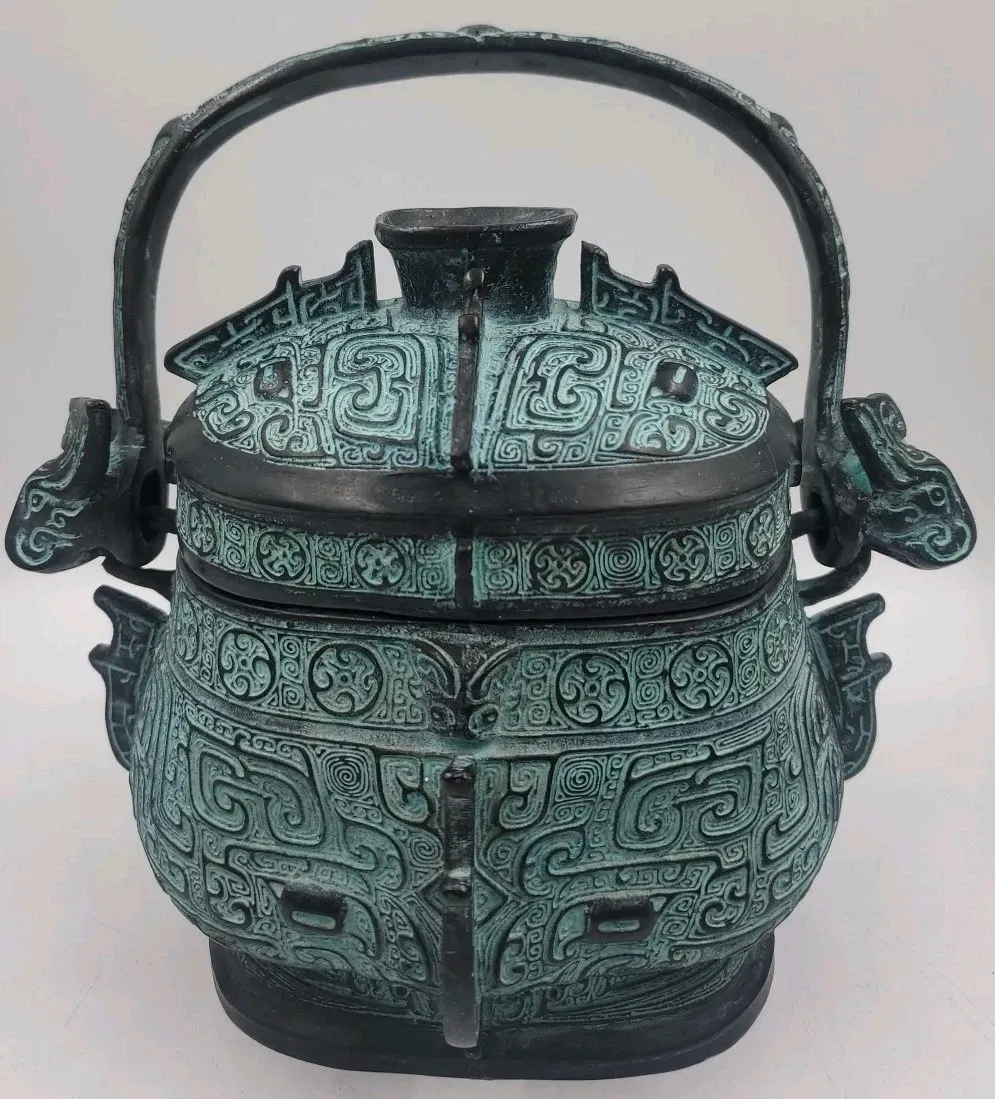
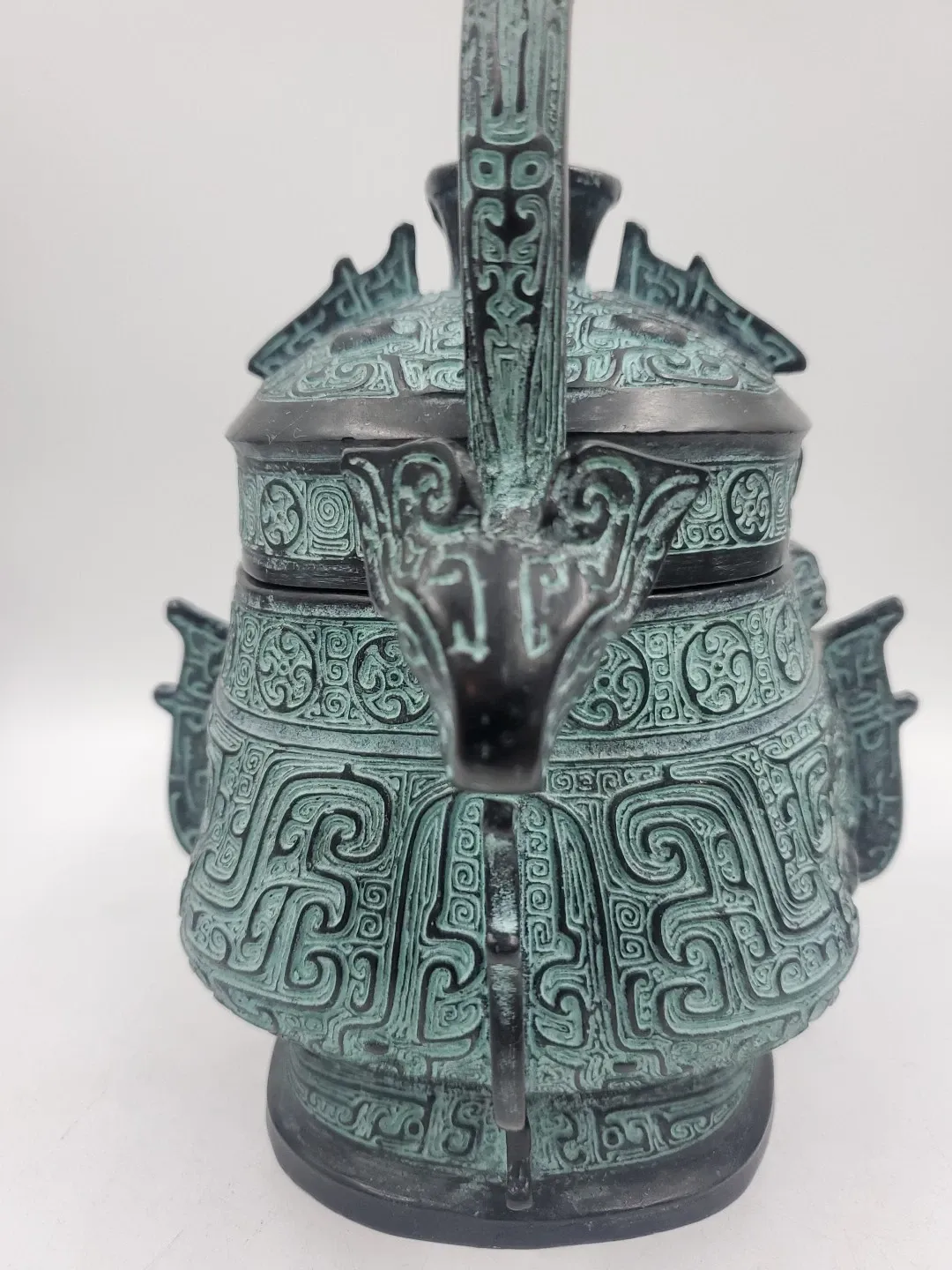
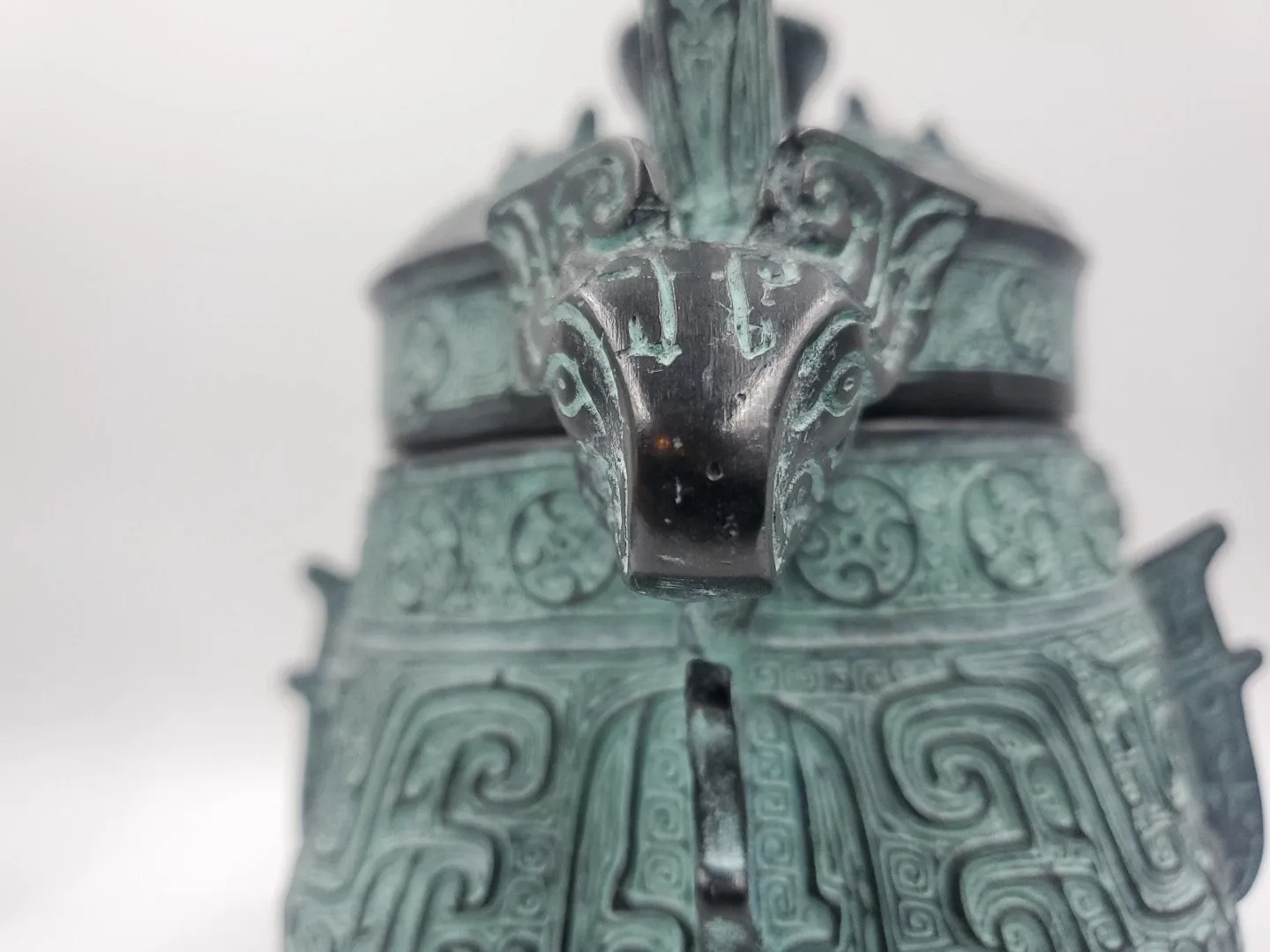
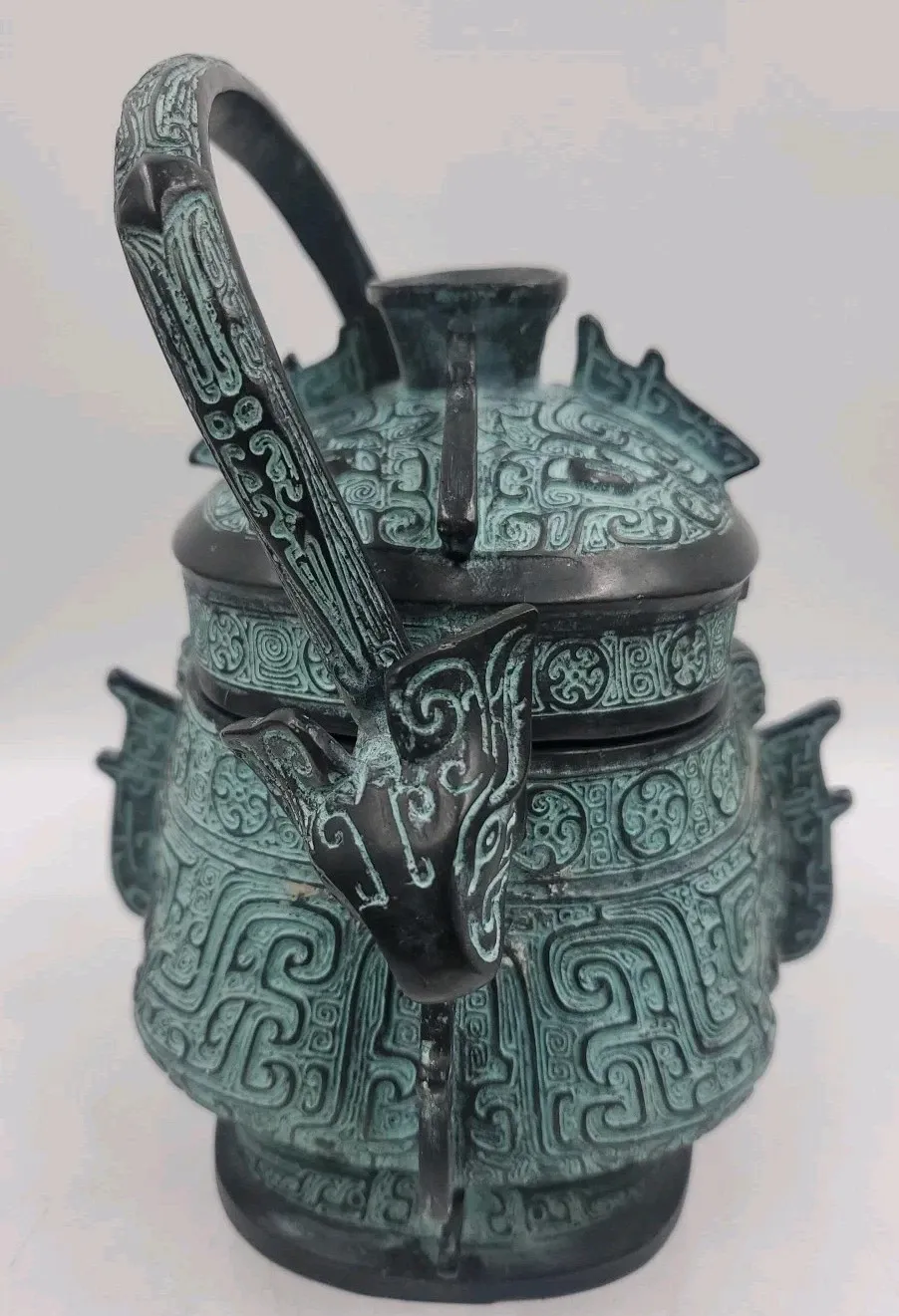
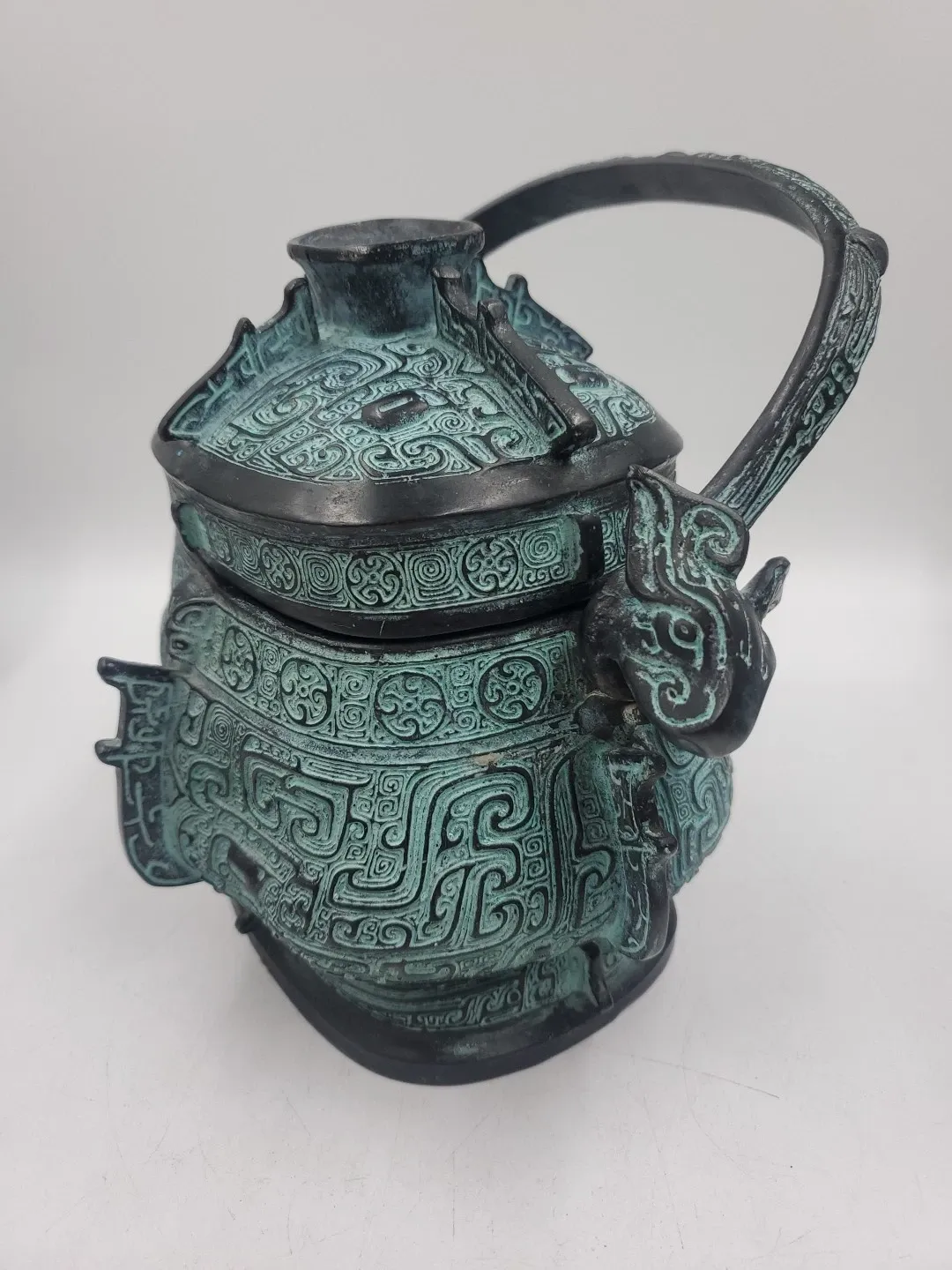
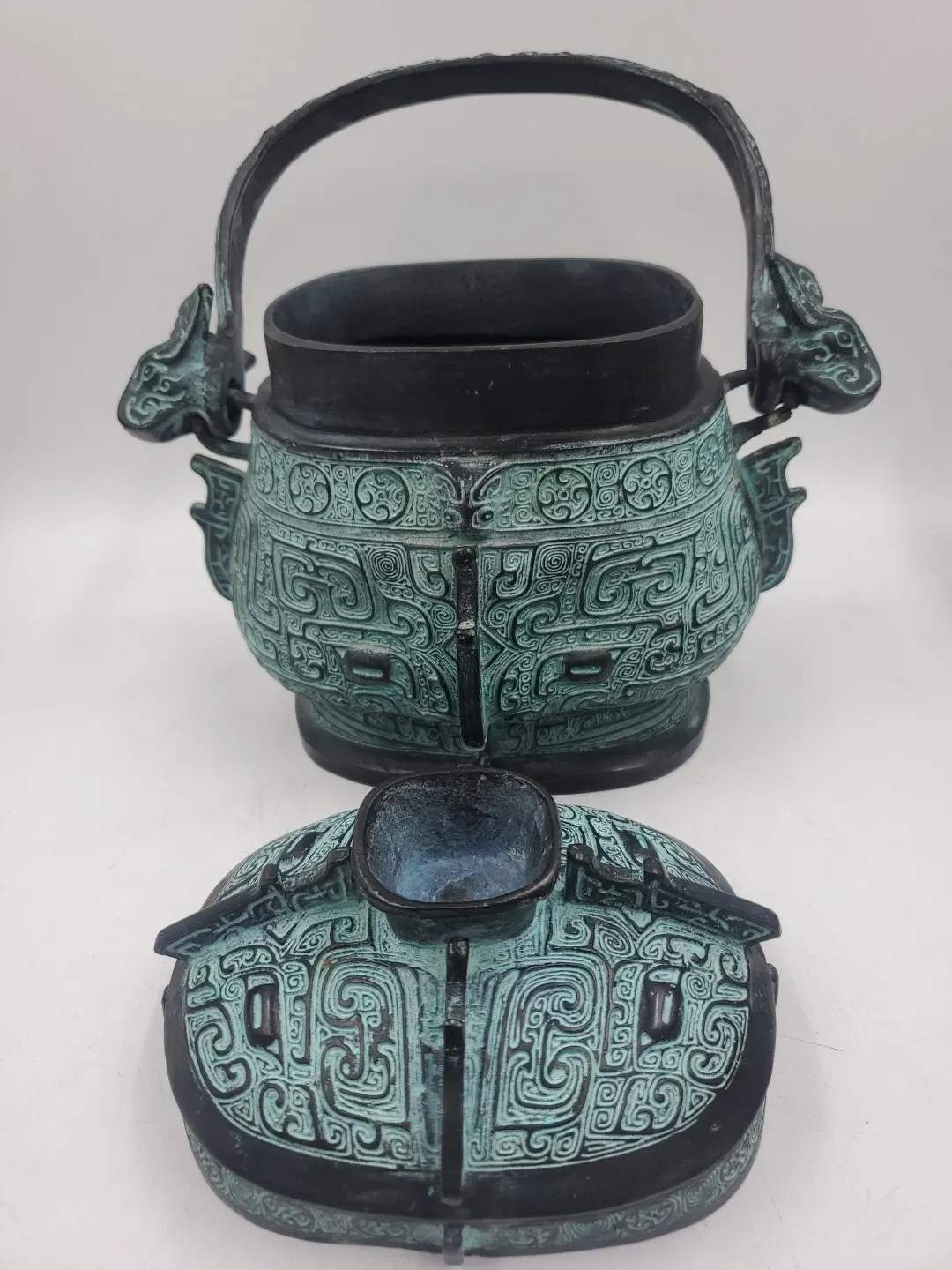
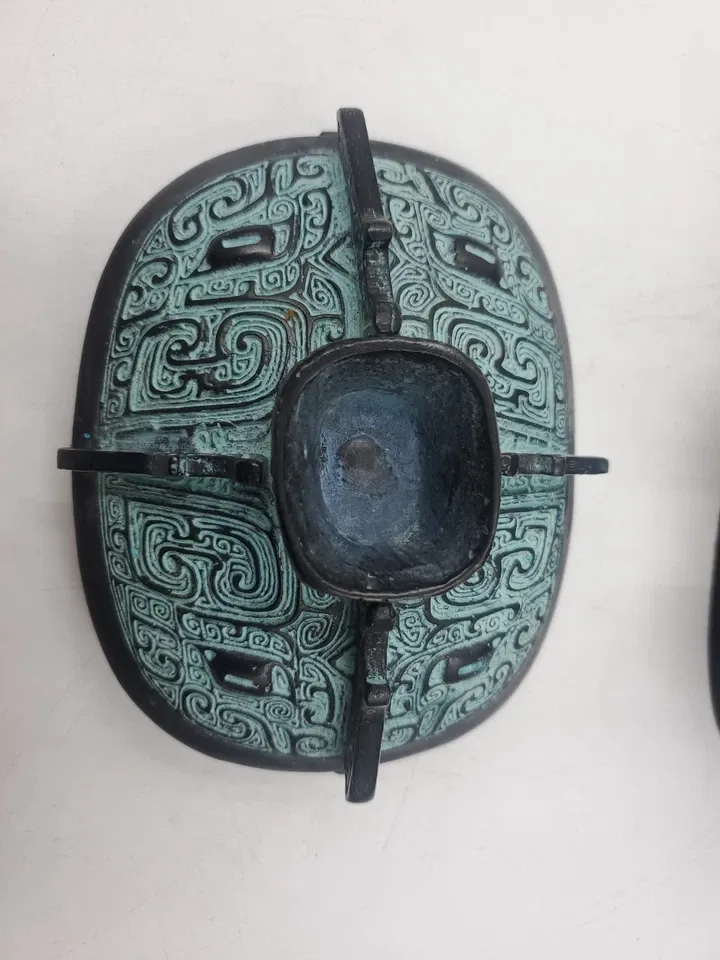
Chinese Reproduction Western Zhou Dynasty Bronze Ware Wine Vessel Beast Dragon
$62.93 USD
Mennyiség
Return & Refund
If you are not completely satisfied with your purchase, you can easily return it within 30 days and receive a refund. You can submit a return request on your order page following the instructions below. We will do our best to accommodate your request. Please make sure to contact us by email bargainstorexs@gmail.com at first.
CONDITIONS FOR RETURN AND EXCHANGE
Returned items must be in their original packaging.
We won't accept returns of anything made without permission.
Items must be returned within 30 days after you receive them.
All products must be undamaged or unopened, unused, in their original packing, and in the same state as when they were delivered to you. Also required is the purchase receipt or other proof of purchase.
Customers must select a delivery option that offers tracking information when returning or exchanging merchandise.
NON-RETURNABLE ITEMS:
Sale items and product damage/loss caused by the consumer are unfortunately not returnable.
EXCHANGES
Returning the item you have and making a fresh purchase for the desired item after the return is accepted is the quickest way to be sure you get what you want.
GENERAL RETURN PROCESS
Step 1: Get in touch with our customer support representatives at bargainstorexs@gmail.com to address any queries you may have and to clarify the purpose of your return.
Step 2: Our customer service representative will provide you with return instructions and confirm the return address.
Step 3: Return the items to the specified return address, making sure they are packed securely. Please make sure your belongings are securely wrapped and keep any necessary postage documentation.
POLICIES
Unauthorized returns of goods won't be allowed.
After you receive an item, it must be returned within 30 days. Every item needs to be in its original packaging, undamaged, unworn, and in the same condition as when it was delivered to you. The receipt or other evidence of purchase is also required. Customers are required to utilize a shipping method that offers tracking information when returning or exchanging merchandise.
REFUNDS
Once your return is received and inspected, we will notify you of the approval or rejection of your refund. If you are approved, the refund will be provided to the original method of payment within 2-3 working days.
If you haven't received the refund within 2-3 working days, please check your account again. It may take some time before a refund is official posted. If you've done all of this and you still have not received your refund, please contact us at bargainstorexs@gmail.com.
COSTS
Your return fee will be subtracted from your refund for returns made internationally. Refunds for items returned via your preferred form of return will only be handled after they have reached our warehouse; in the event that your things are lost in transit, you will need to file a dispute with the carrier. If you place an order that exceeds the customs threshold, you can be subject to importation and custom tax fees.
ORDER CANCELLATIONS
We can cancel the order for you if you contact us in time after your purchase.If your payment finished and the parcel is not shipped out, you can cancel your order before your item’s delivery. And we will refund full of your money.
Orders can’t be canceled once the parcel is shipped out.
Please do not hesitate to contact our customer service staff if you require any additional help or if you have any queries regarding our returns policy. We will be pleased to assist you and address any inquiries you may have.
Thank you again for your trust and support in us.
Shipping & Payment Policy
PAYMENT:
Major credit cards including VISA, Mastercard, and AMEX processed by PayPal are accepted as forms of payment.
You will receive an email confirmation as soon as the order is approved and checked. As soon as your order is confirmed, we start to prepare it.
Once your order has been fully processed, you should receive a tracking confirmation email that allows you to follow the progress of your order within the 3-5 business day handling time.
ORDER CUTOFF TIME:
We have a cutoff period for orders so that we can process it quickly and schedule shipping. 6:00 PM (GMT-05:00) Eastern Standard Time (New York) is the order cutoff. Orders placed after the deadline will all be processed the next business day.
DELIVERABLE AREA:
We ship to the following countries/regions: Worldwide.
TRACKING:
You can track the shipping status of all orders on our official website https://www.17track.net/en. This website supports tracking information for up to 1,500+ carriers, allowing you to easily track the location and transportation progress of your package. No matter which carrier your order comes from, you can easily track their latest status on the website.
SHIPPING METHOD:
We provide the following shipping method: DHL. These shipping service providers have a good reputation around the world and can ensure that your package reaches its destination safely and quickly.
Total Delivery Time = Order Processing Time + Transport Time(depending on your location)
Order Processing Time:
We make every effort to wrap and send items as quickly as we can! After placing an order, the majority of them are processed and shipped between 3 and 5 business days (Monday through Friday). Processing and delivery timeframes do not include weekends or public holidays.
Transport time:
The estimated transit time is 5-15 business days (Mon – Fri).Depending on the nation, transit times can differ and are only estimates.
TAX
Our customers do not have to pay import taxes, customs, or VAT (Valued Additional Tax) for the majority of nations. Nonetheless, certain restricted nations can have to pay taxes or value-added tax in accordance with their levying regulations.
Our customer service staff will be pleased to assist you further and provide answers if you have more detailed inquiries or requests regarding shipping regulations or other topics. We will be happy to assist you, so please do not hesitate to contact us (Mail: bargainstorexs@gmail.com).
How do the Free Gifts work?
When you buy 1 model, you get a free poster. When you buy 2 models, you geta free 1:32 model. When you buy 3 models, you get a free 1:24 model.
1. Characteristics of Original Western Zhou Wine Vessels
- Vessel Types: Common Western Zhou ritual wine vessels featuring animal and dragon motifs include the zun (flared wine container), you (handled flask), he (spouted ewer), and gong (covered ladle).
- Animal & Dragon Patterns: Designs evolved from Shang Dynasty abstract taotie (monster masks) into more complex, realistic representations in early Western Zhou, and eventually more simplified patterns later.
- Key Motifs: Coiled dragons, stylized phoenixes/birds, tigers, and the "bovine head" are common. The Deng Zhong zun represents the pinnacle, featuring dragon accessories, tigers, and Phoenix-shaped lids.
- Casting Technology: The "separate casting method" was used, where the animal-shaped body and delicate accessories (dragons, handles) were cast separately and joined.
2. Characteristics of Chinese Imitations
- Motif Proliferation: Later imitations (such as those from the Song or Ming/Qing dynasties) often over-emphasize the "animal" aspect, making the dragons and beasts more pronounced, convoluted, or numerous than in authentic pieces.
- Patina and Surface: Many imitations utilize artificial patina (green/red rust) to simulate 3,000 years of burial. Authentic Western Zhou bronzes typically have a natural, hard patination. Fakes may have a powdery or painted surface that flakes easily.
- Craftsmanship Discrepancies: While top-tier antique copies are highly skilled, lower-quality imitations show visible seam lines, poor detail in the spiral patterns (cloud-and-thunder patterns), and lighter weight compared to the dense original bronzes.
- Inscriptions: Imitations sometimes feature copied, garbled, or stylized inscriptions that do not match the grammatical structures of the Western Zhou period.
3. Motivations for Imitation
- "Qing and Ritual": During the Song Dynasty (960–1279), and later the Ming and Qing, there was a revival of interest in ancient Confucian rituals, leading to the creation of imitations for use in temples or as imperial gifts.
- Artistic Appreciation: Ancient bronze art was highly prized, and imitations were created to fill collections when authentic pieces were unavailable or too expensive.
_1445x.webp?w=720&h=960&q=100)
_1445x.webp?w=720&h=960&q=100)
_1445x.webp?w=720&h=960&q=100)
_1445x.webp?w=720&h=960&q=100)
_1445x.webp?w=720&h=960&q=100)
_1445x.webp?w=720&h=960&q=100)
_1445x.webp?w=960&h=720&q=100)
_1445x.webp?w=720&h=960&q=100)
_1445x.webp?w=960&h=720&q=100)
_1445x.webp?w=960&h=954&q=100)
_1800x.webp?w=720&h=960&q=100)
_1800x.webp?w=720&h=960&q=100)
_1800x.webp?w=720&h=960&q=100)
_1800x.webp?w=720&h=960&q=100)
_1800x.webp?w=720&h=960&q=100)
_1800x.webp?w=720&h=960&q=100)
_1800x.webp?w=960&h=720&q=100)
_1800x.webp?w=720&h=960&q=100)
_1800x.webp?w=960&h=720&q=100)
_1800x.webp?w=960&h=954&q=100)