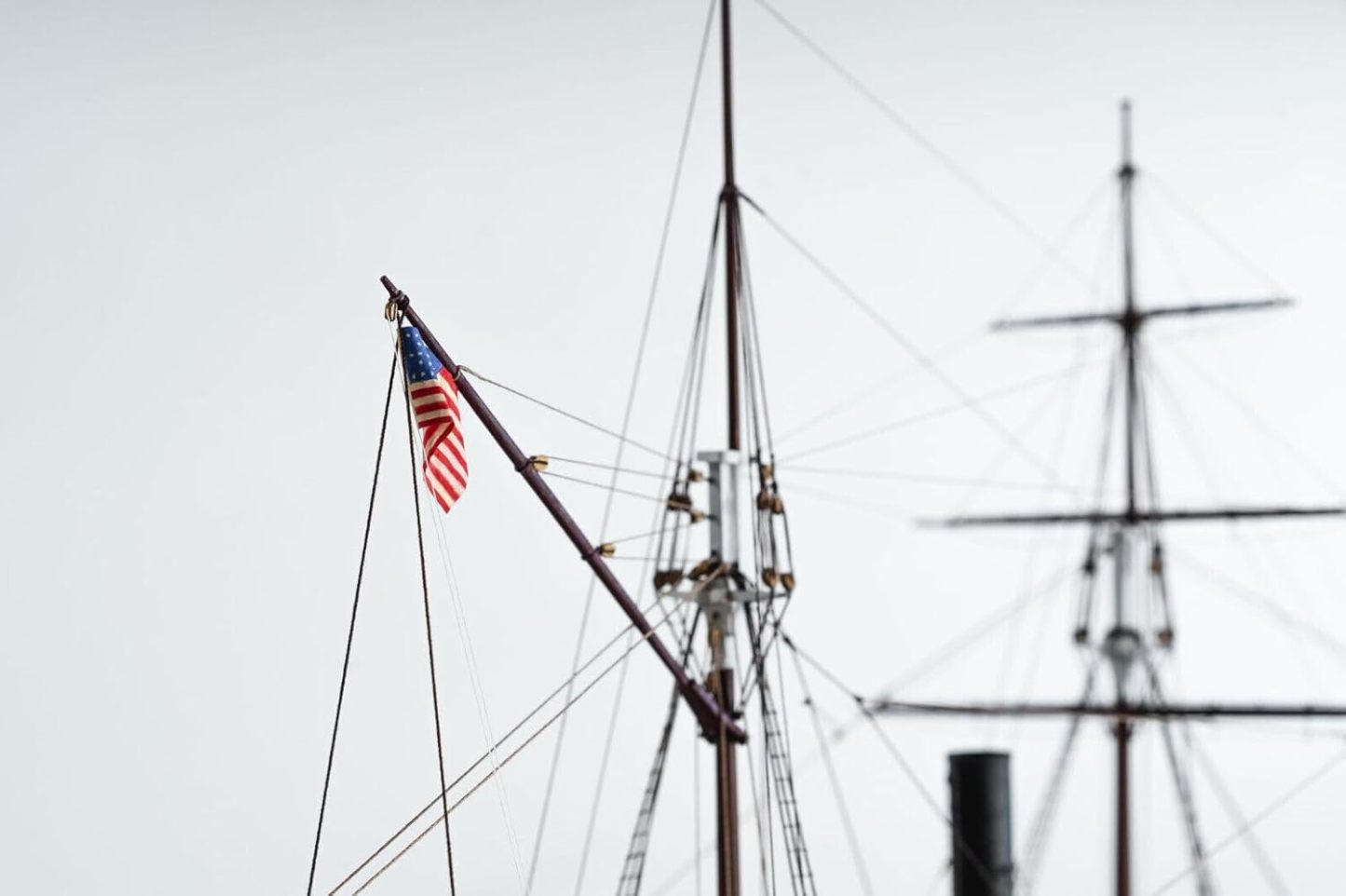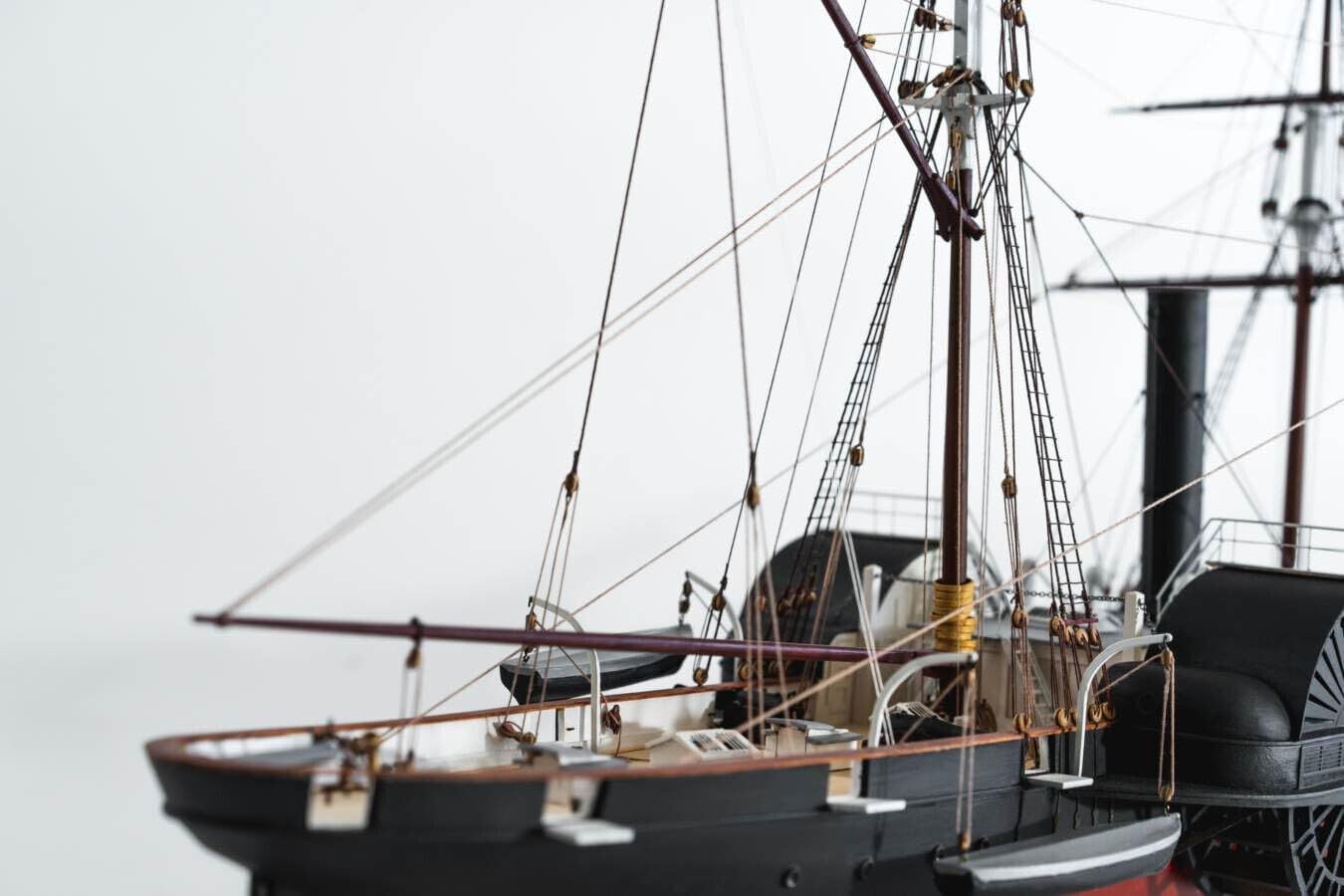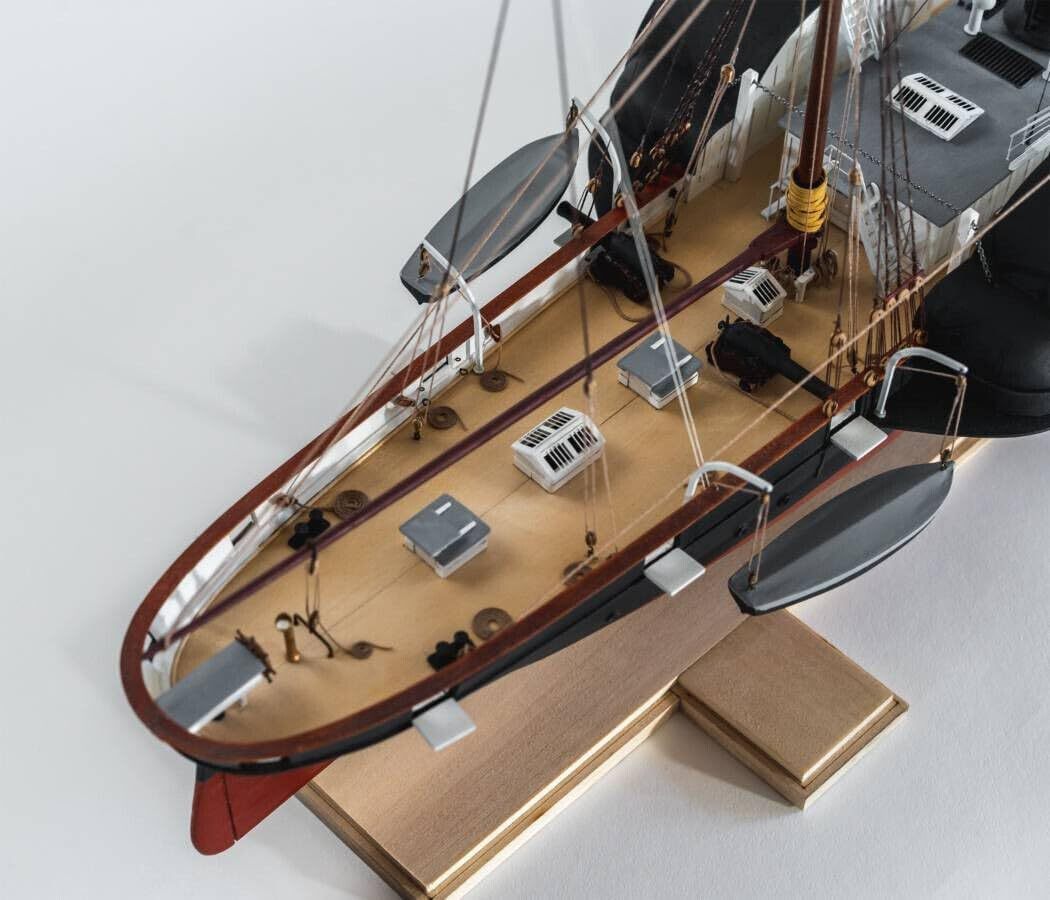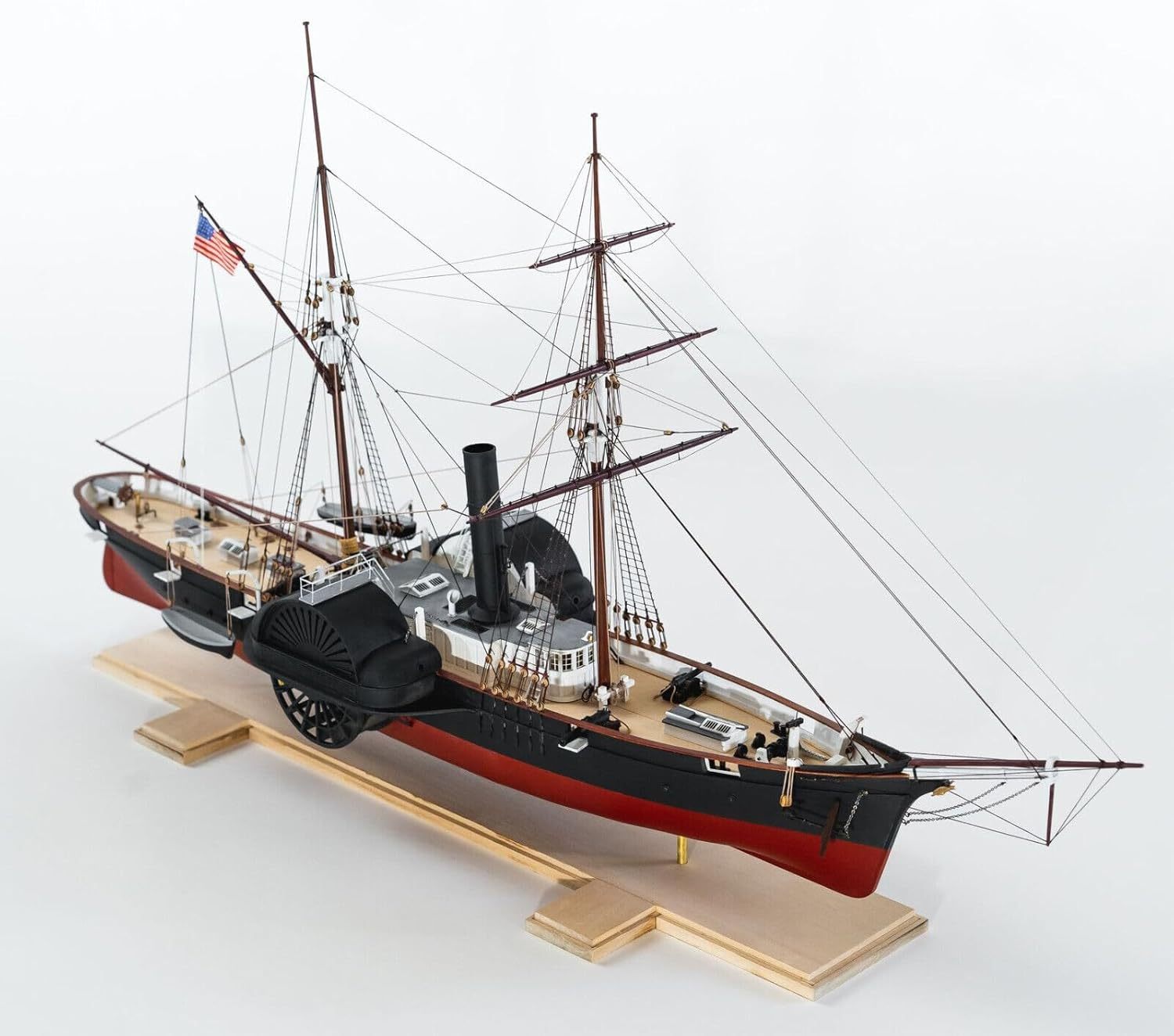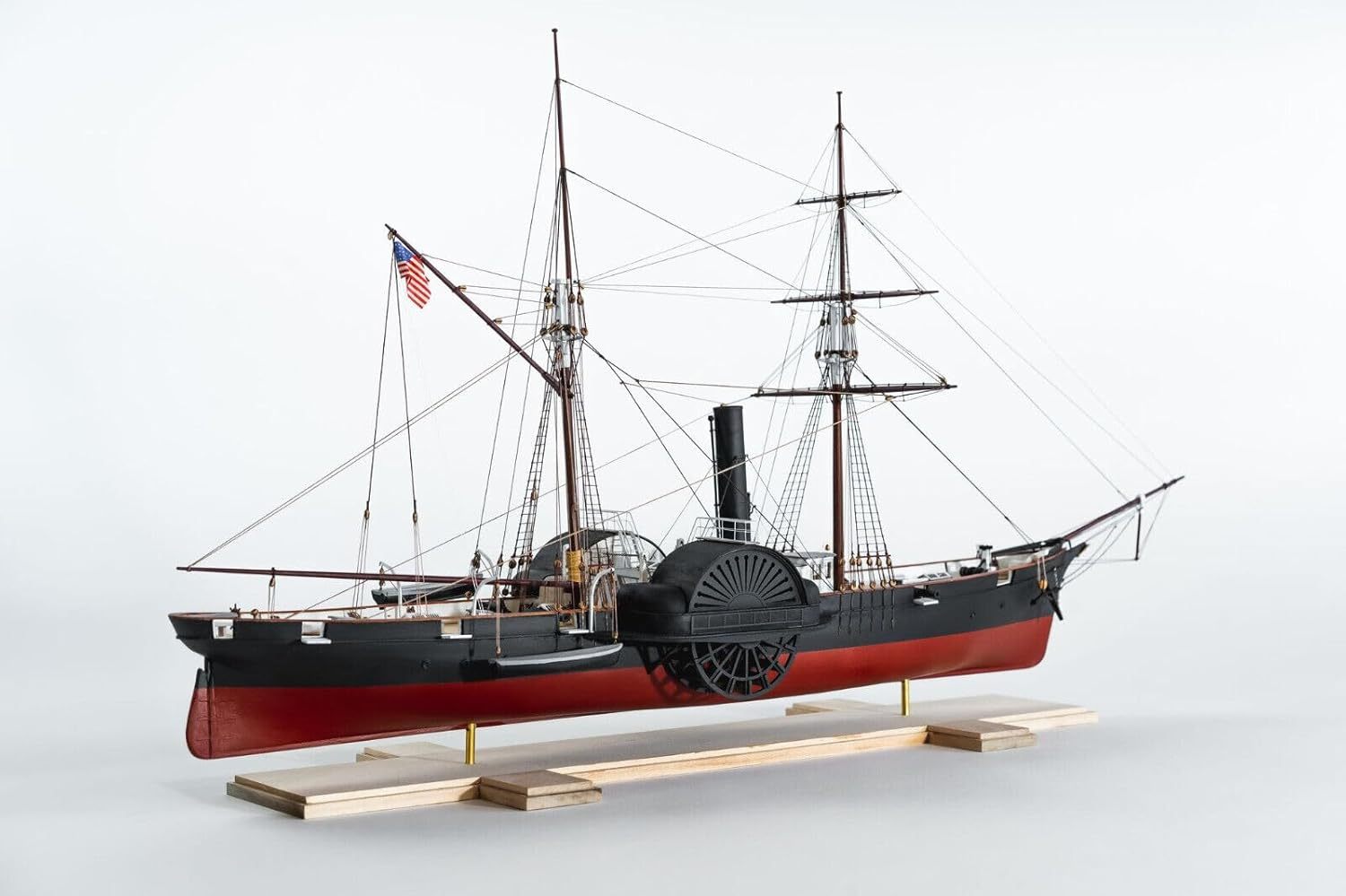

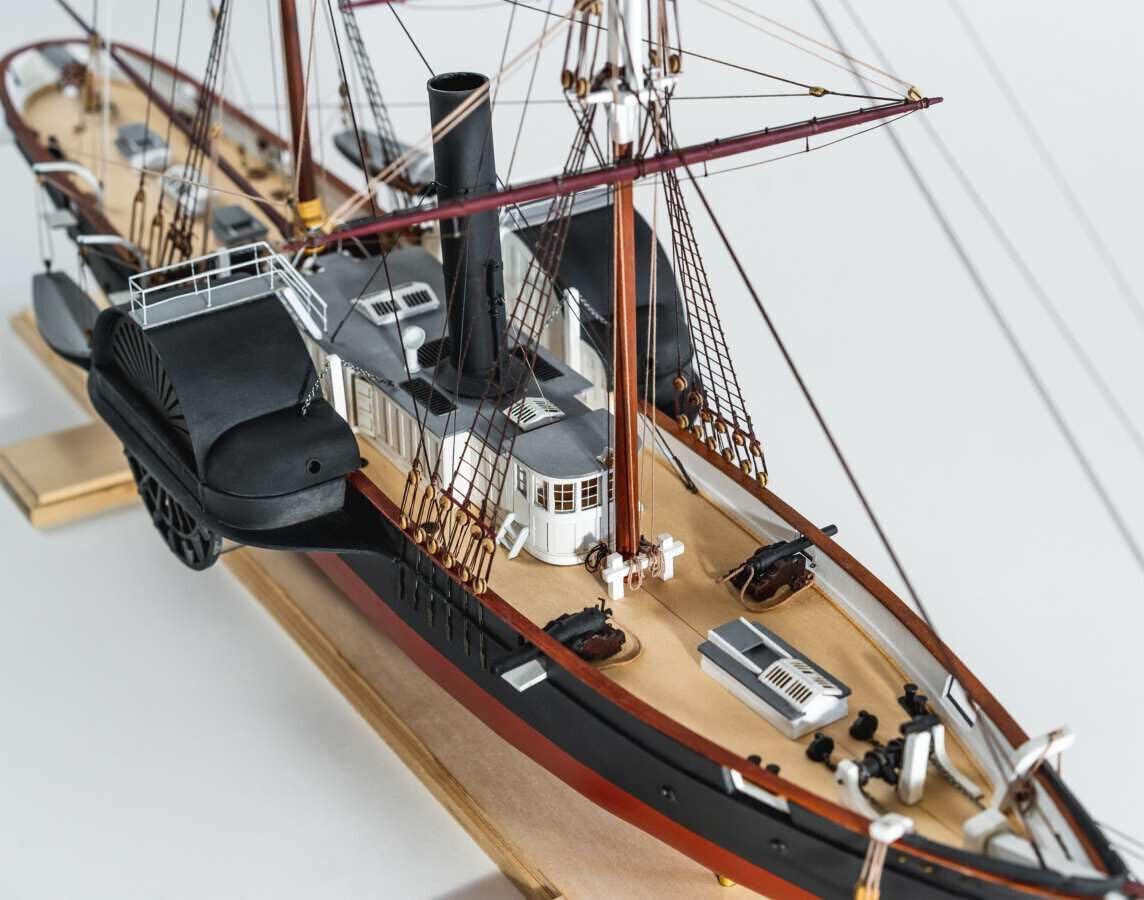
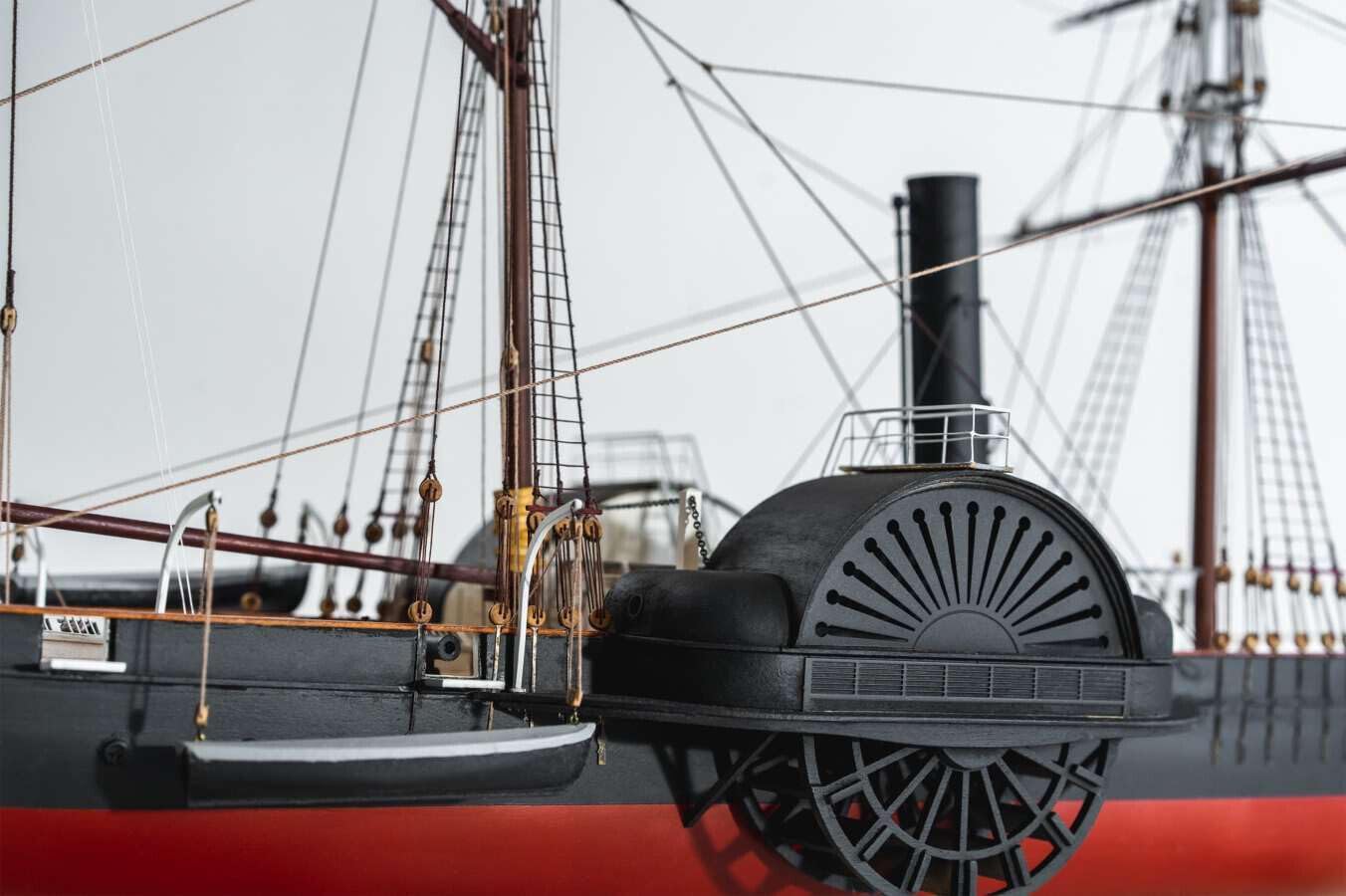


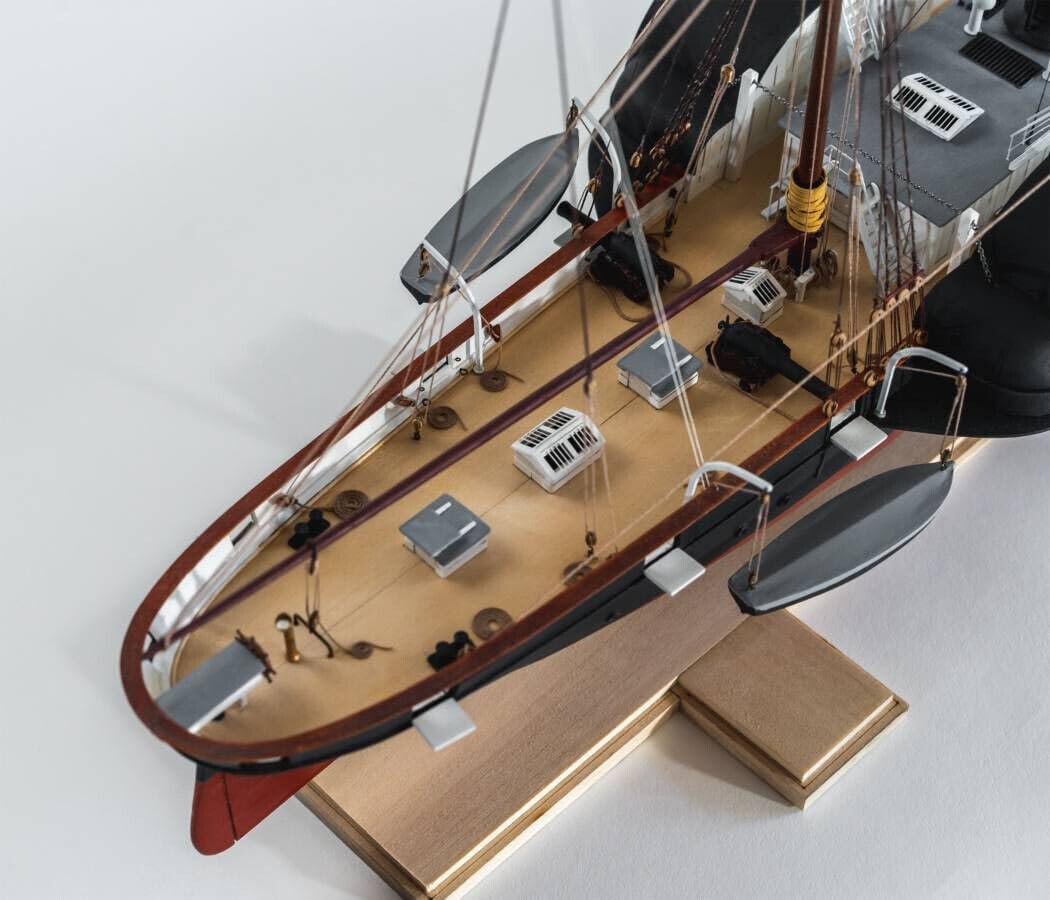
Coast Guard Cutter USRC Harriet Lane
Return & Refund
Shipping & Payment Policy
How do the Free Gifts work?
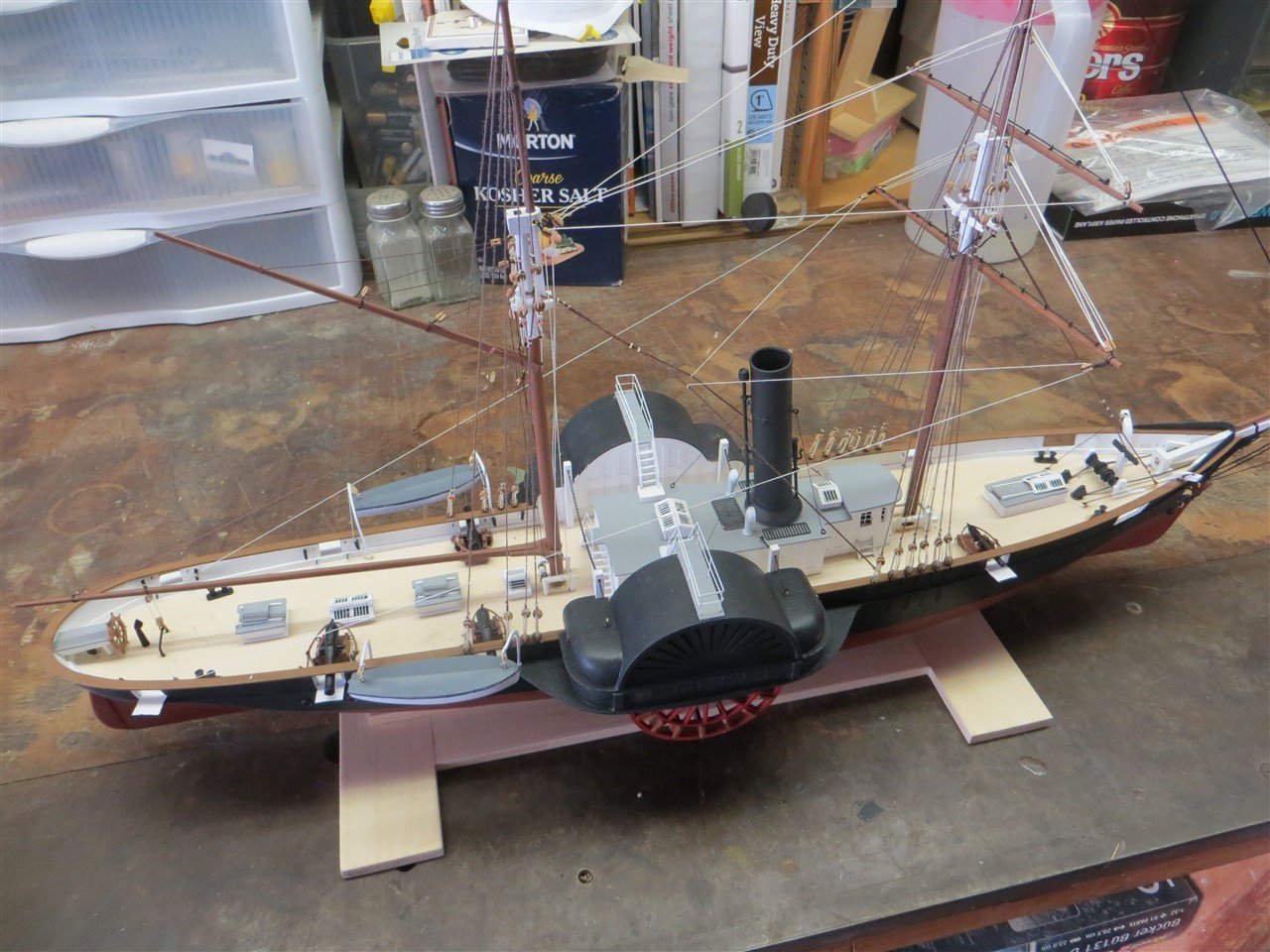
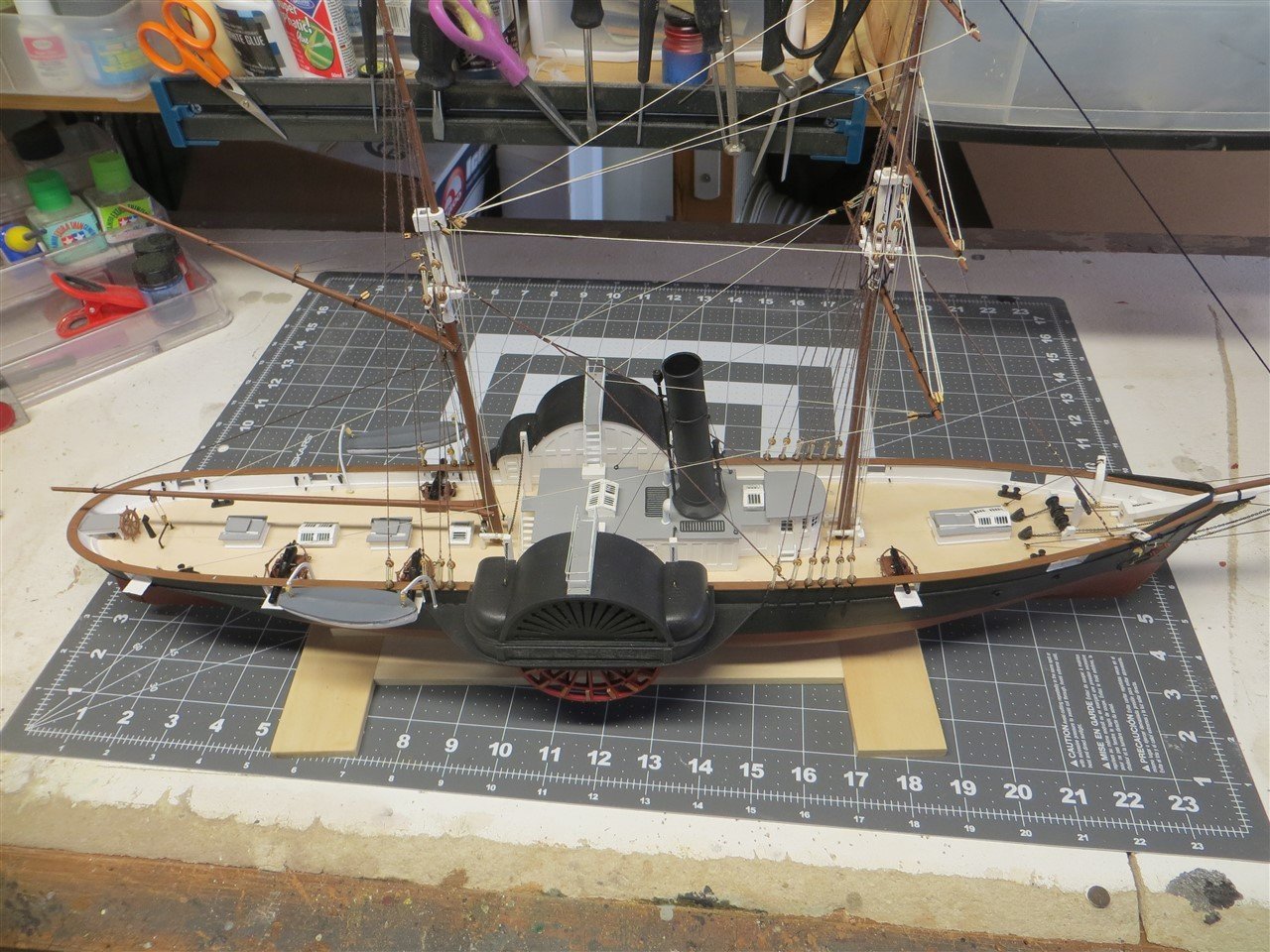
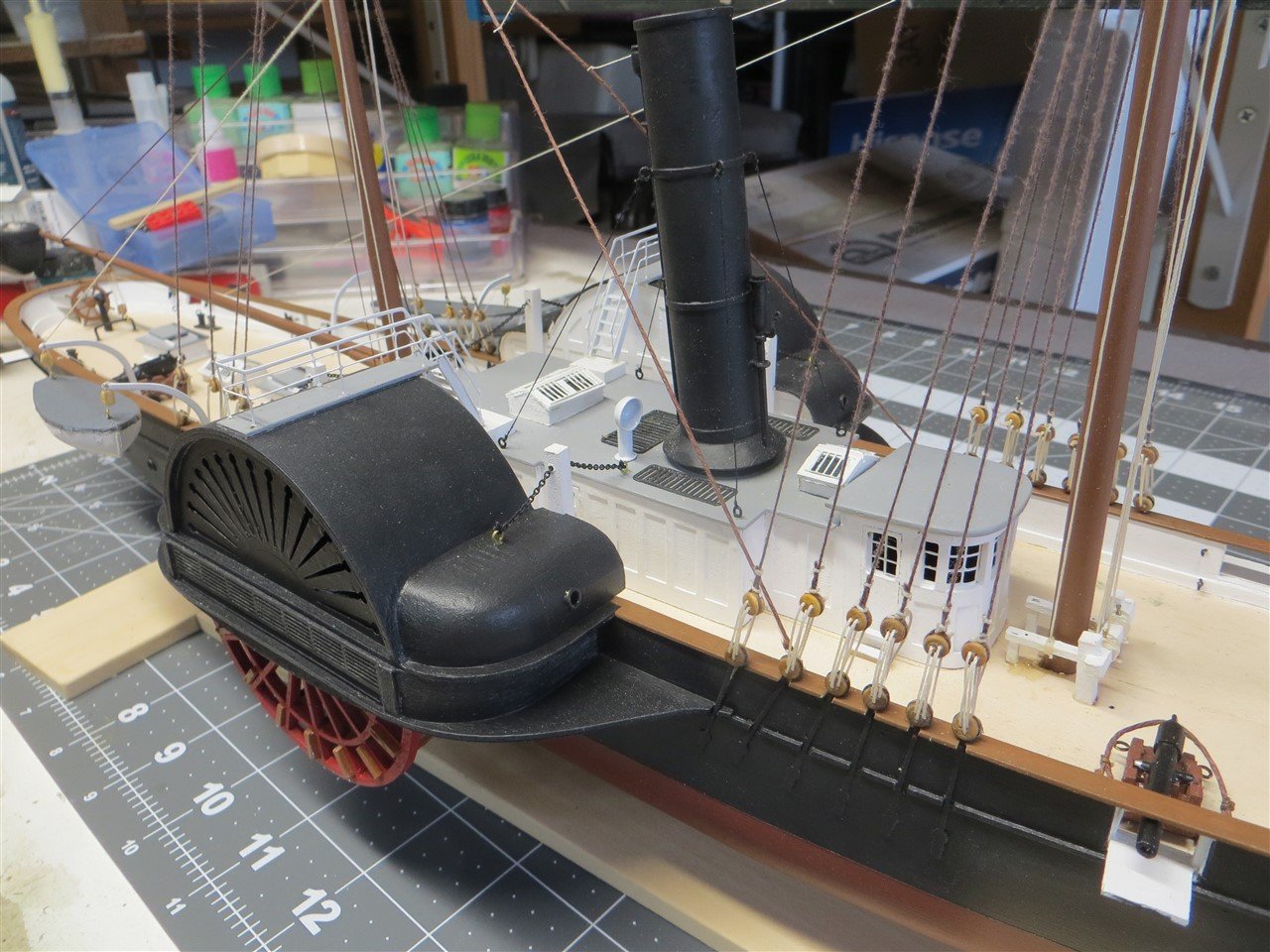
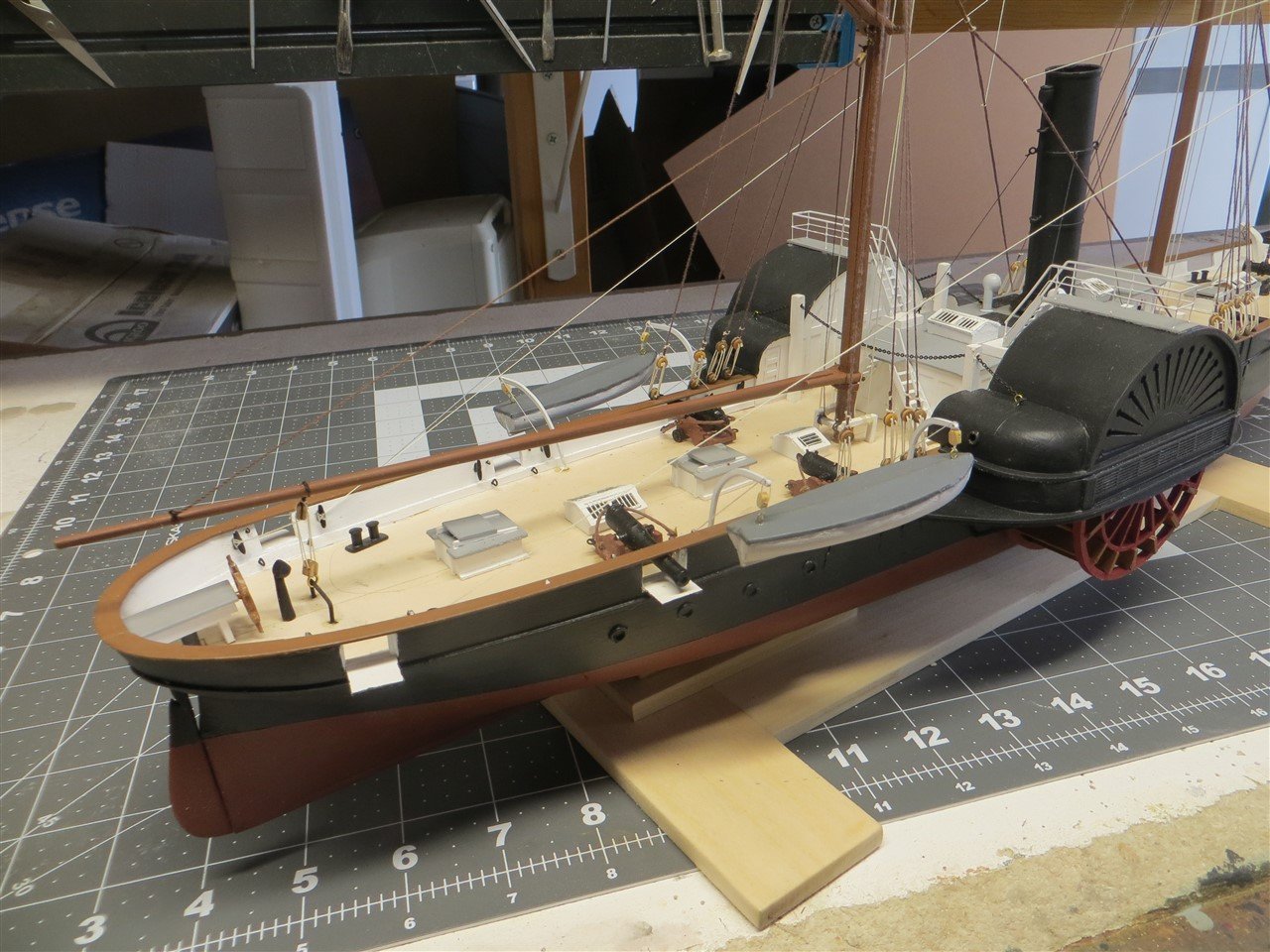
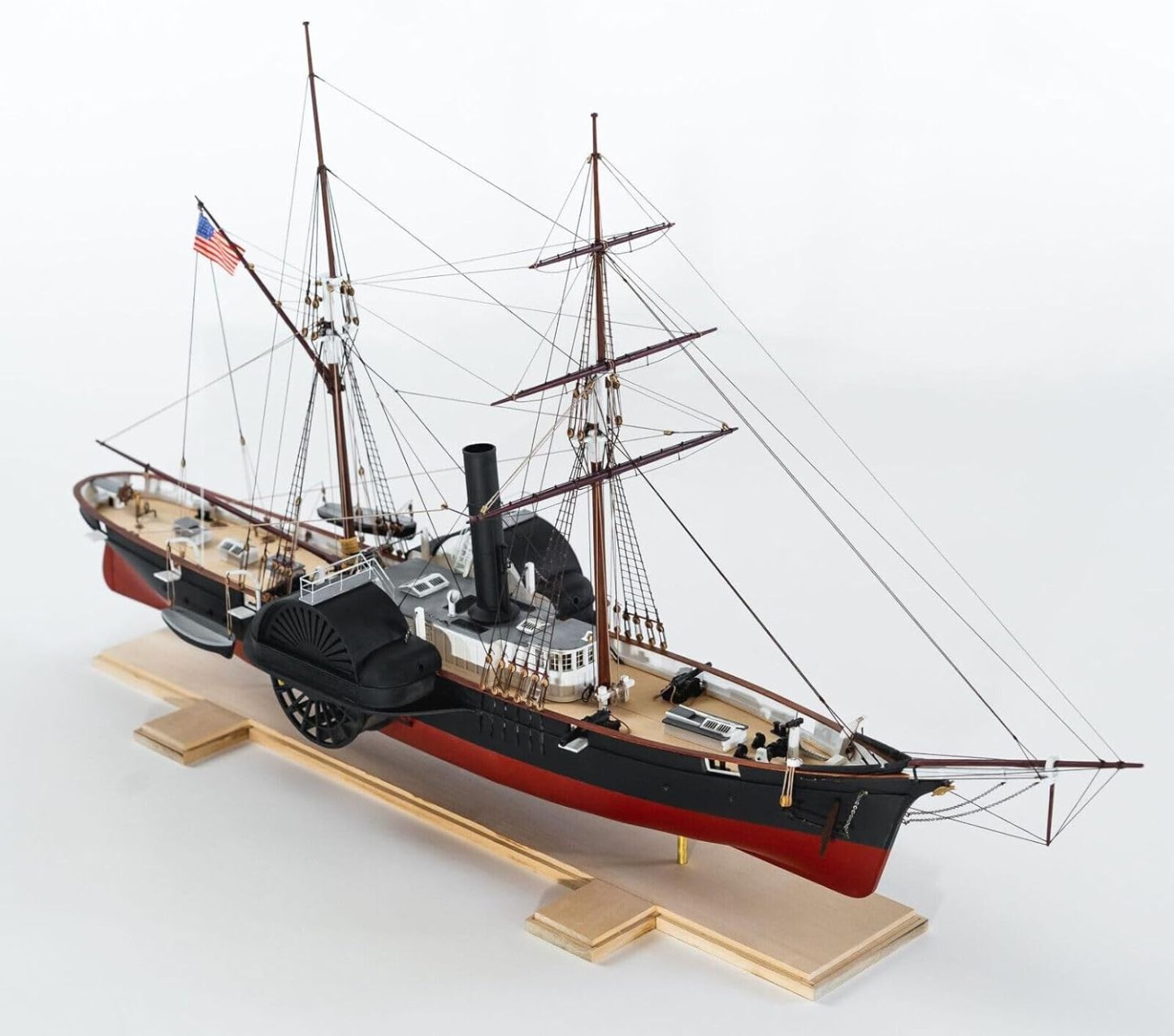
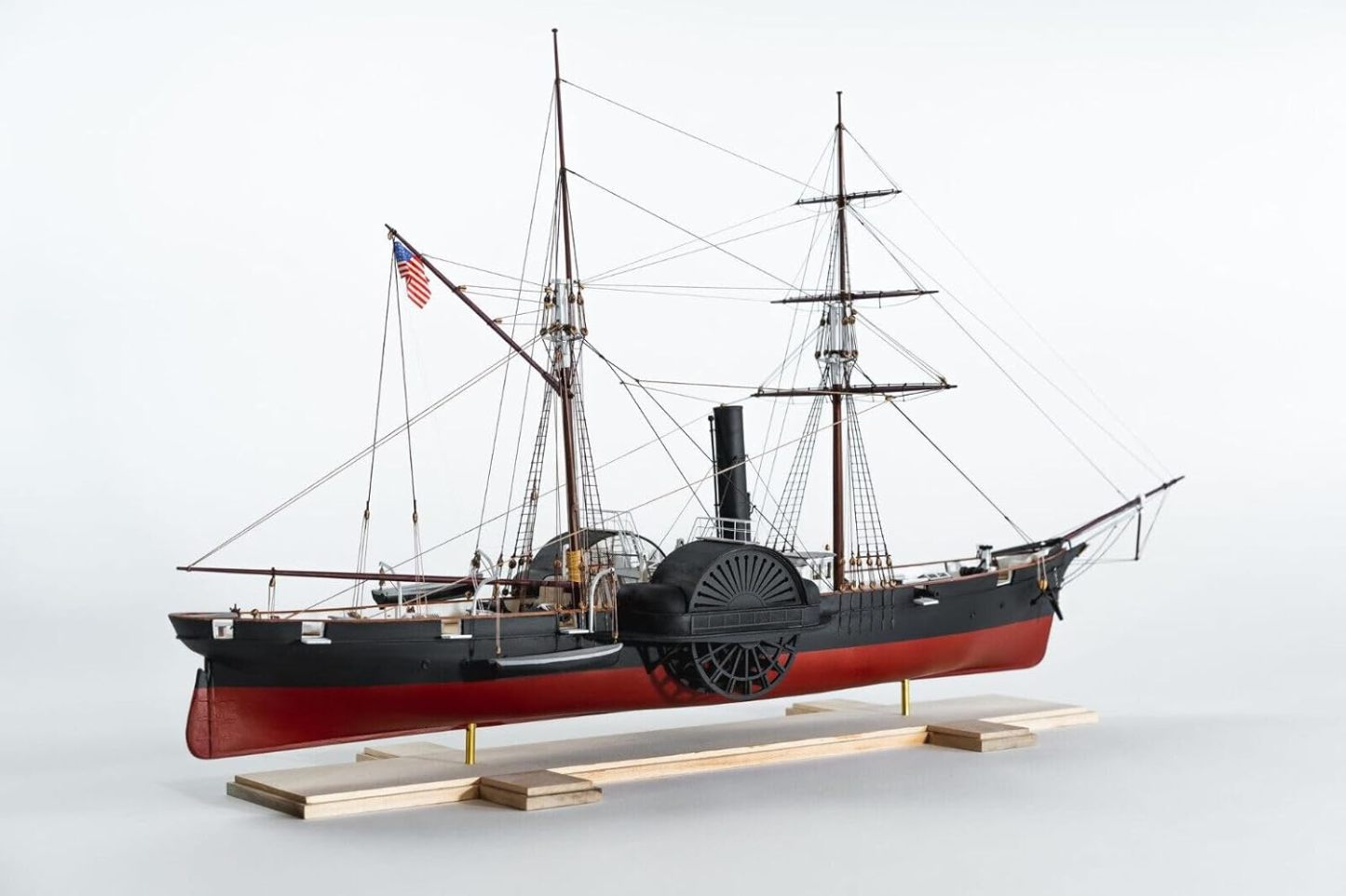
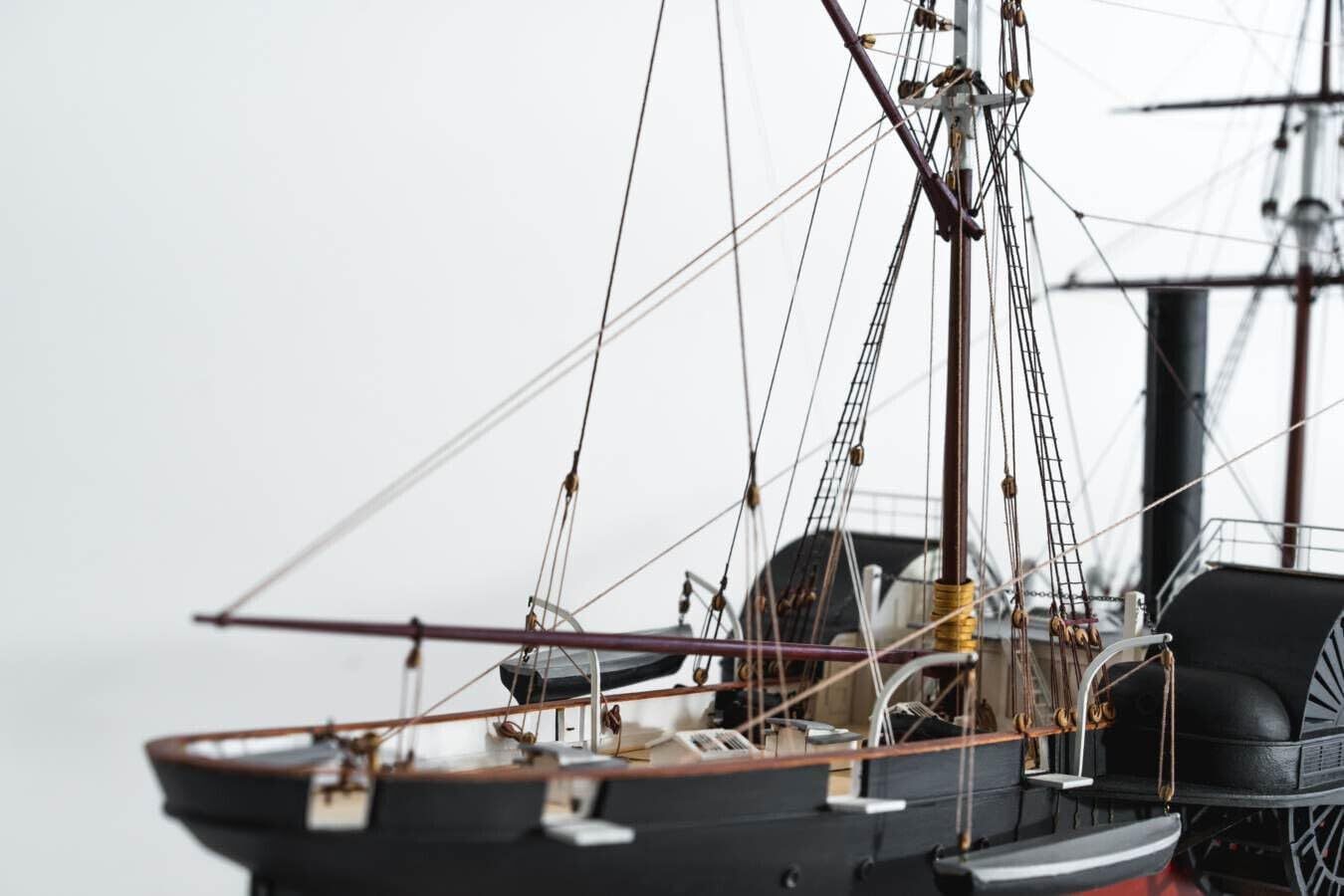
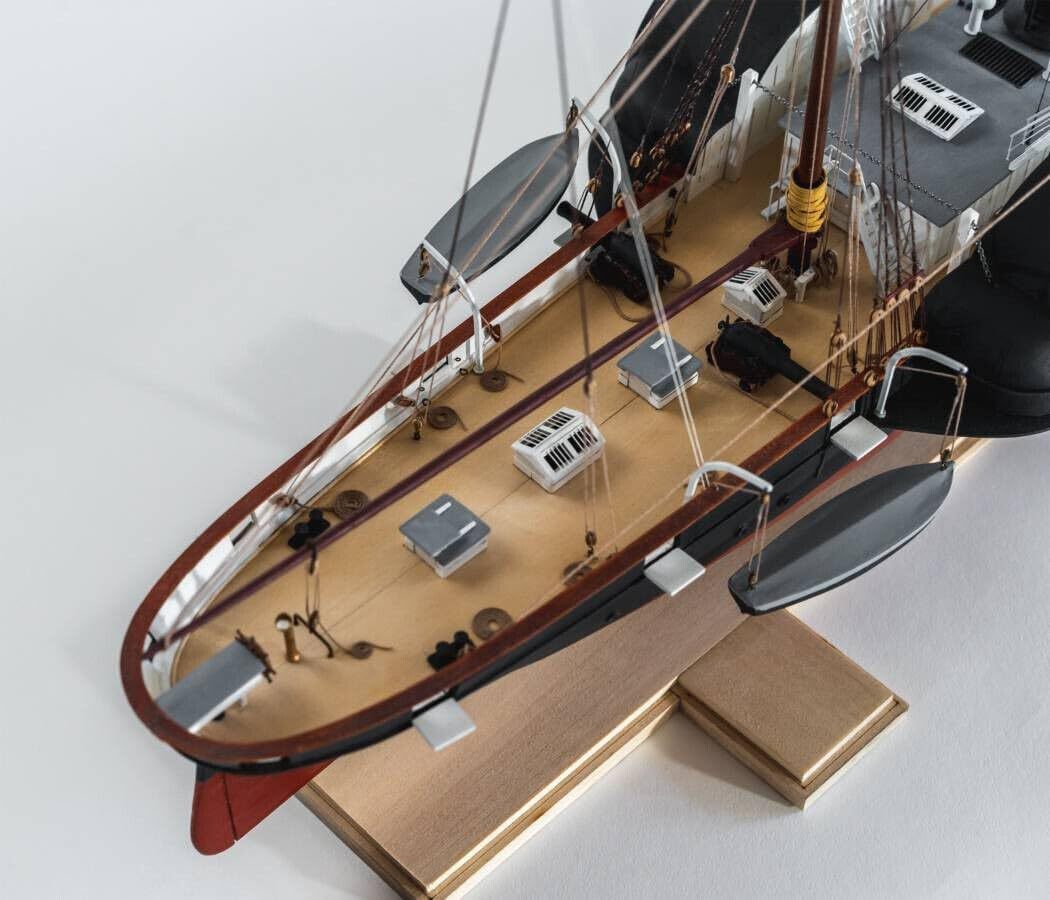
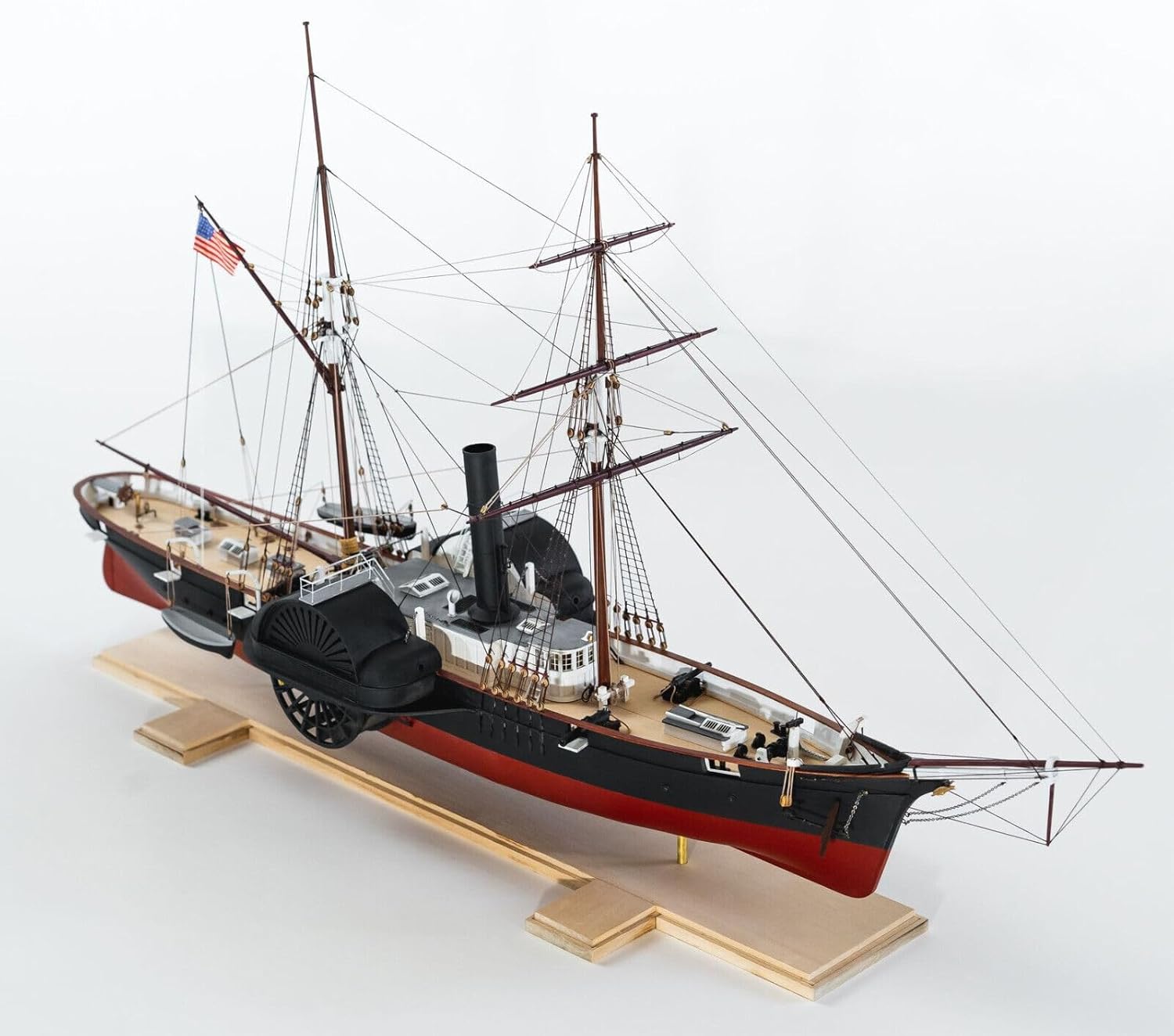
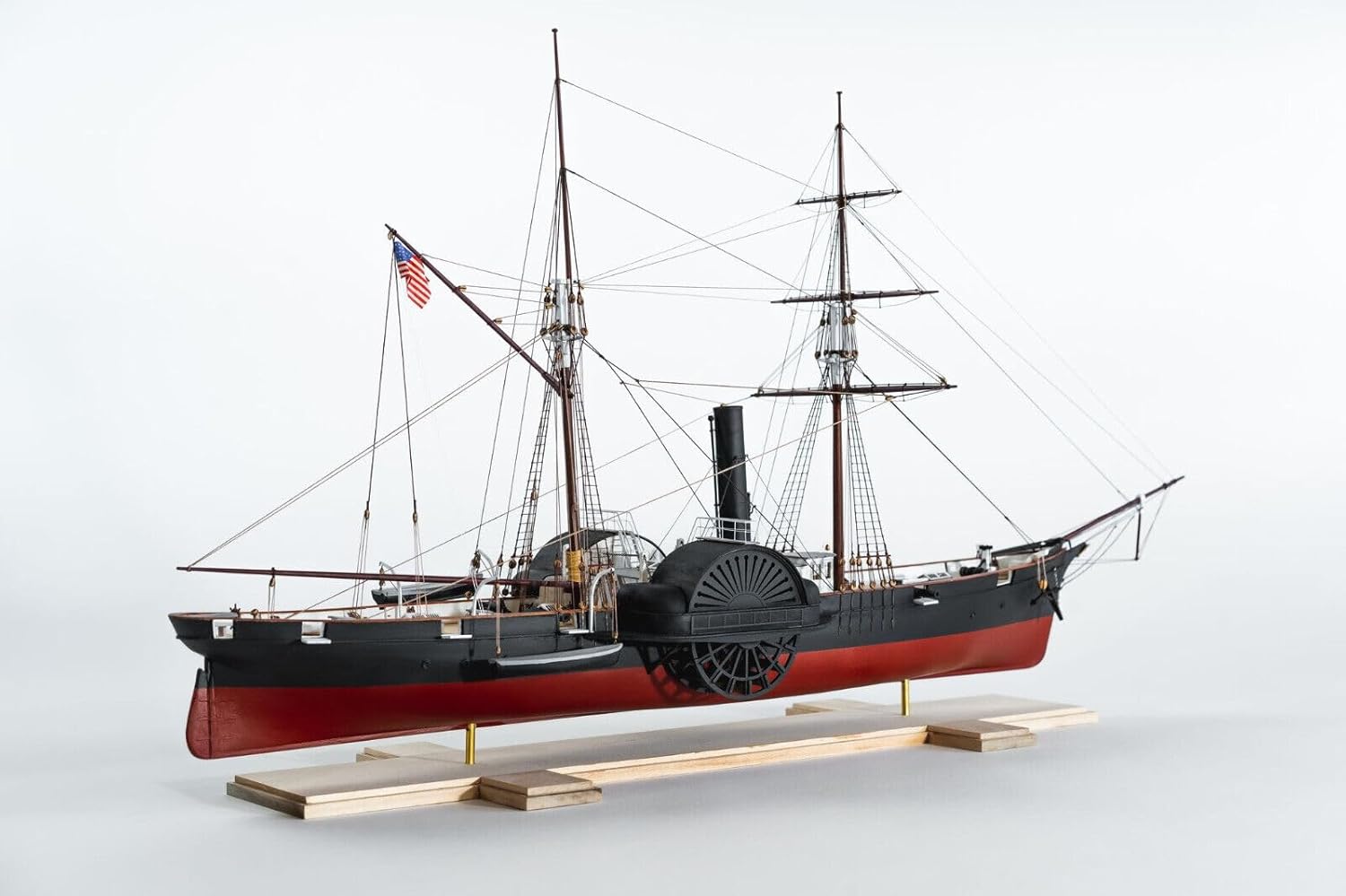
Static USCG Harriet Lane Steam Cutter Gunboat 1857 1:96
General characteristics:
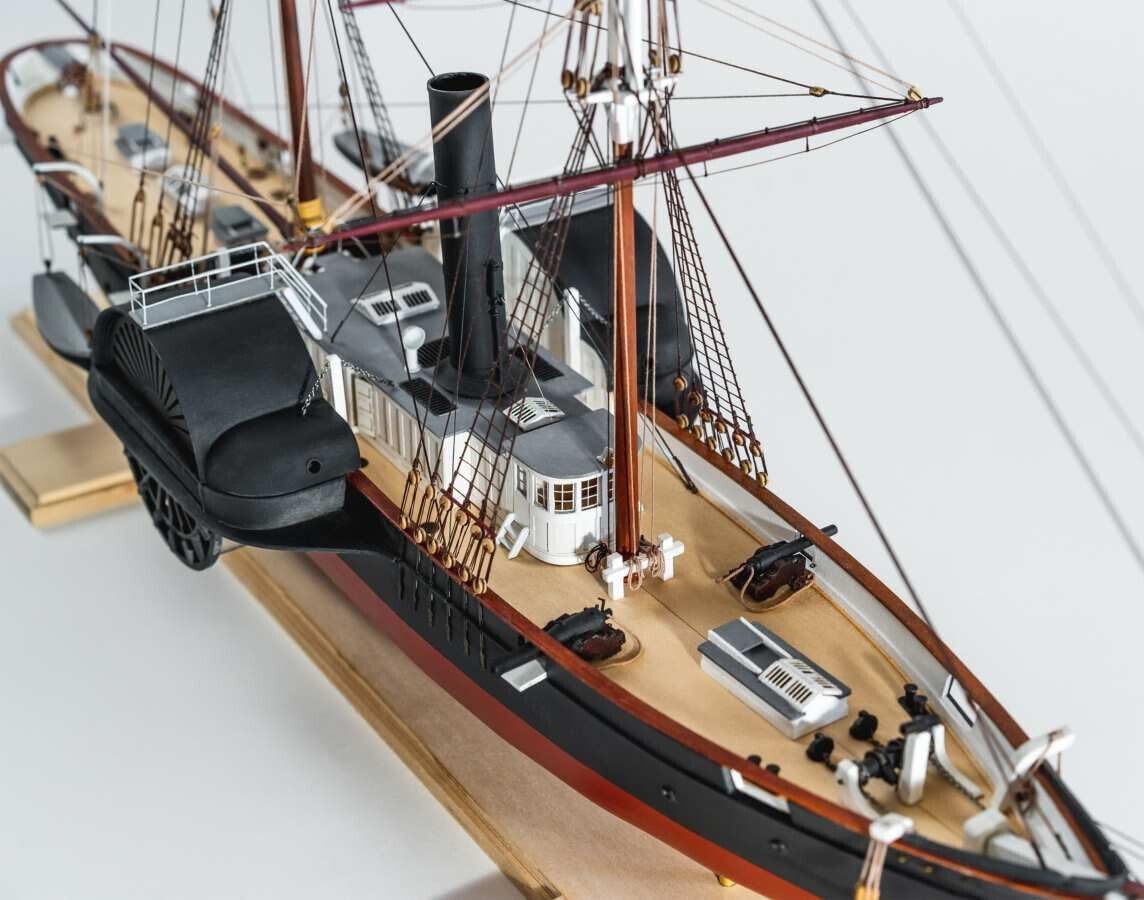
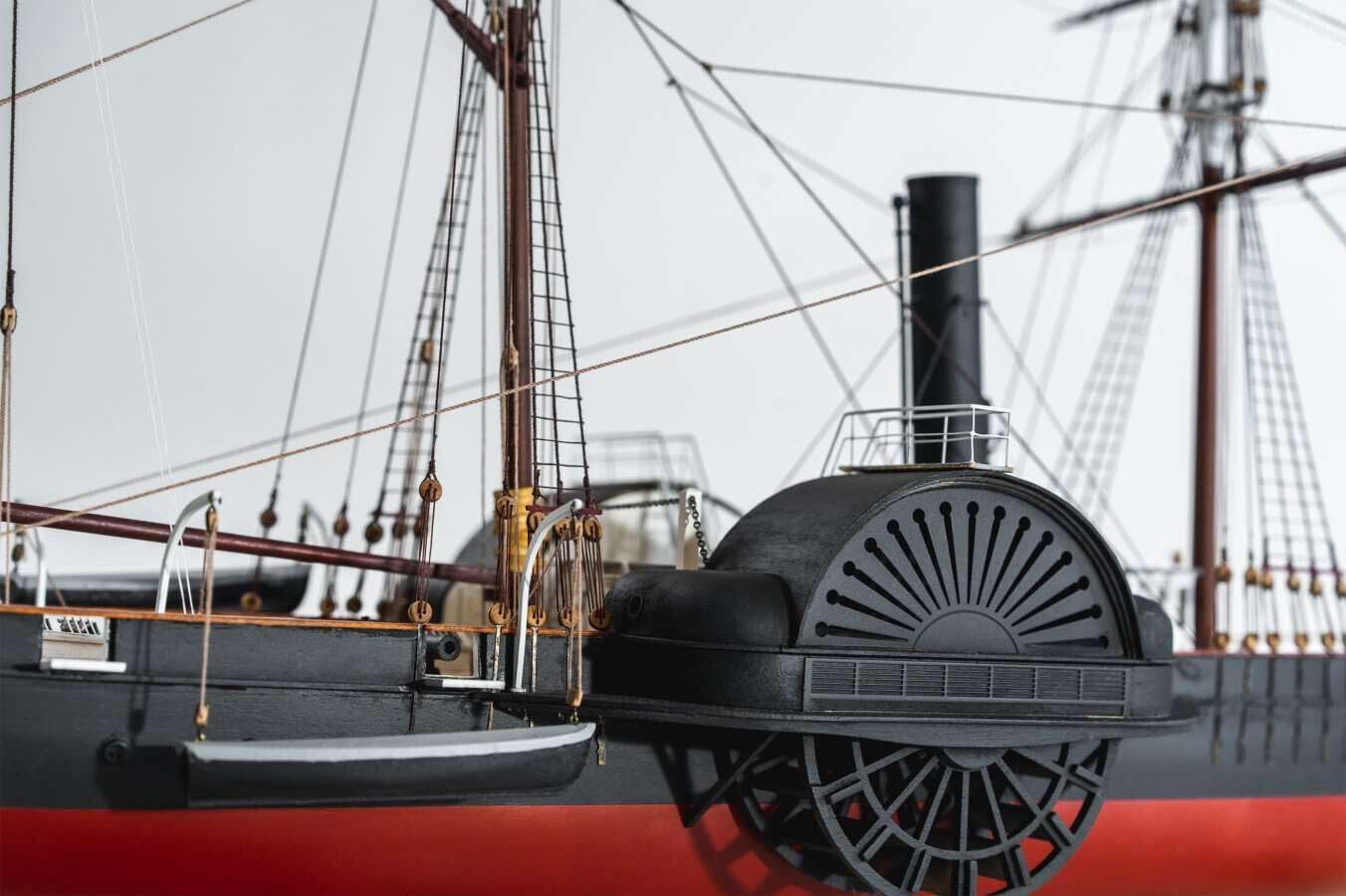
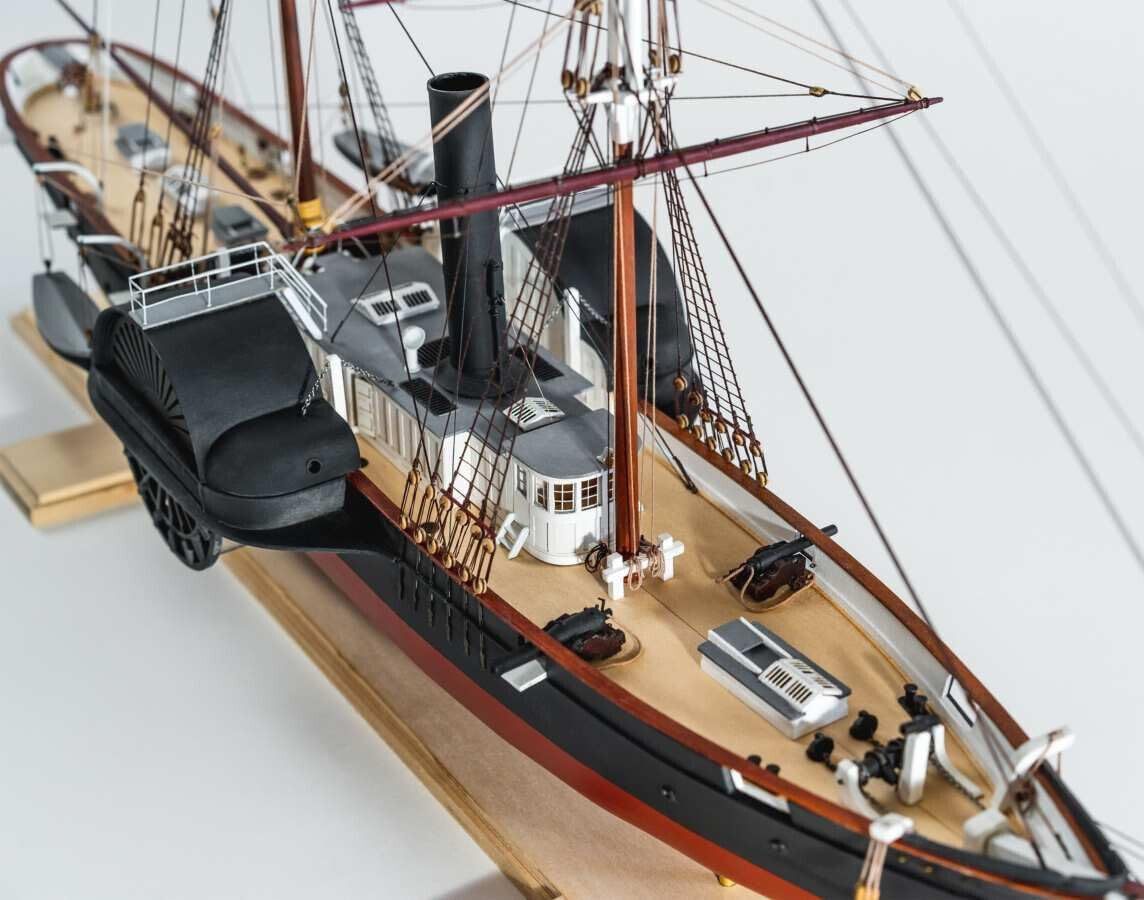
- Highly detailed wooden model of a historic ship
- Realistic boat structure
- Laser-cut basswood parts for easy assembly
- Illustrated plan and instruction manual
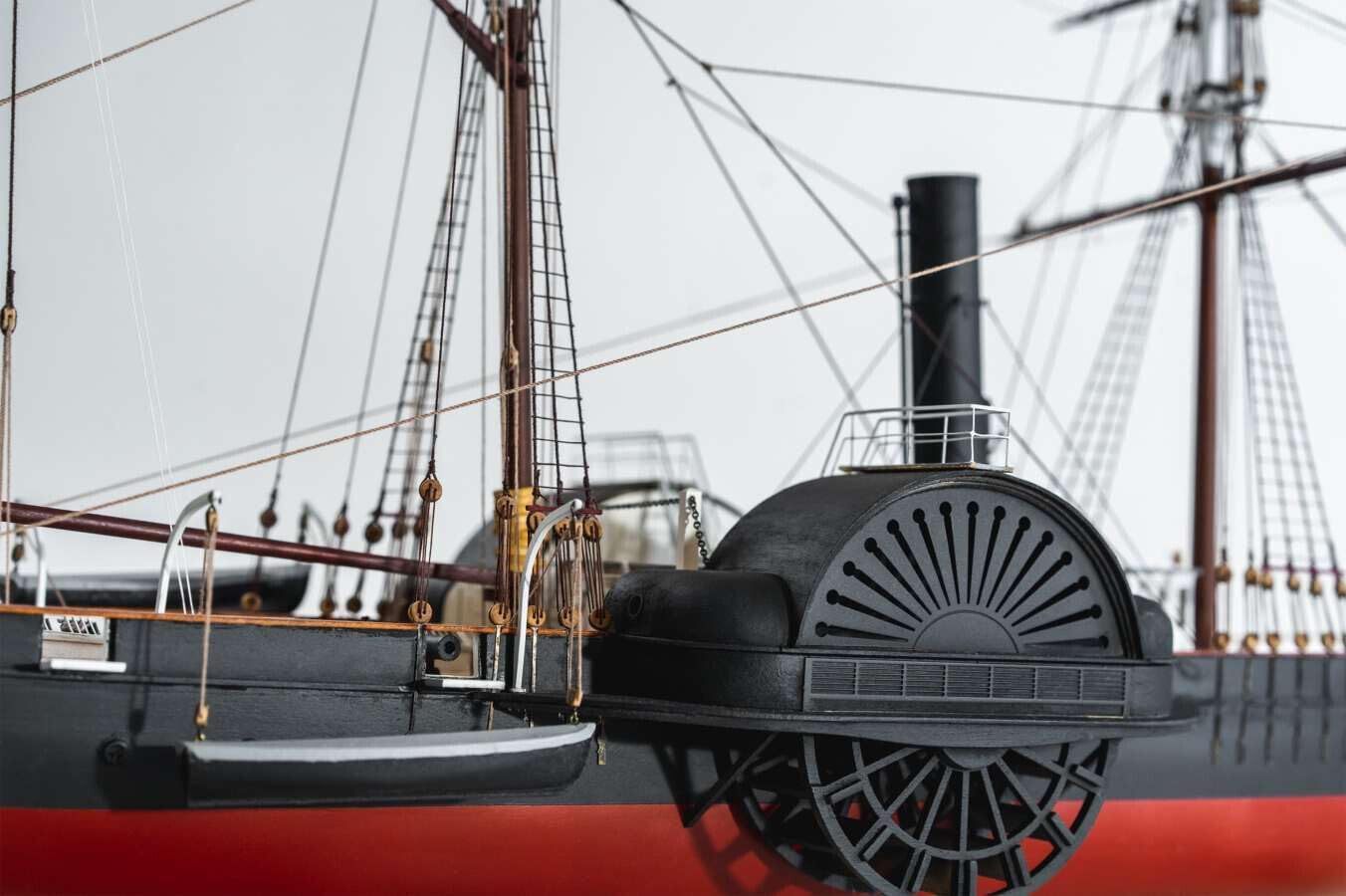
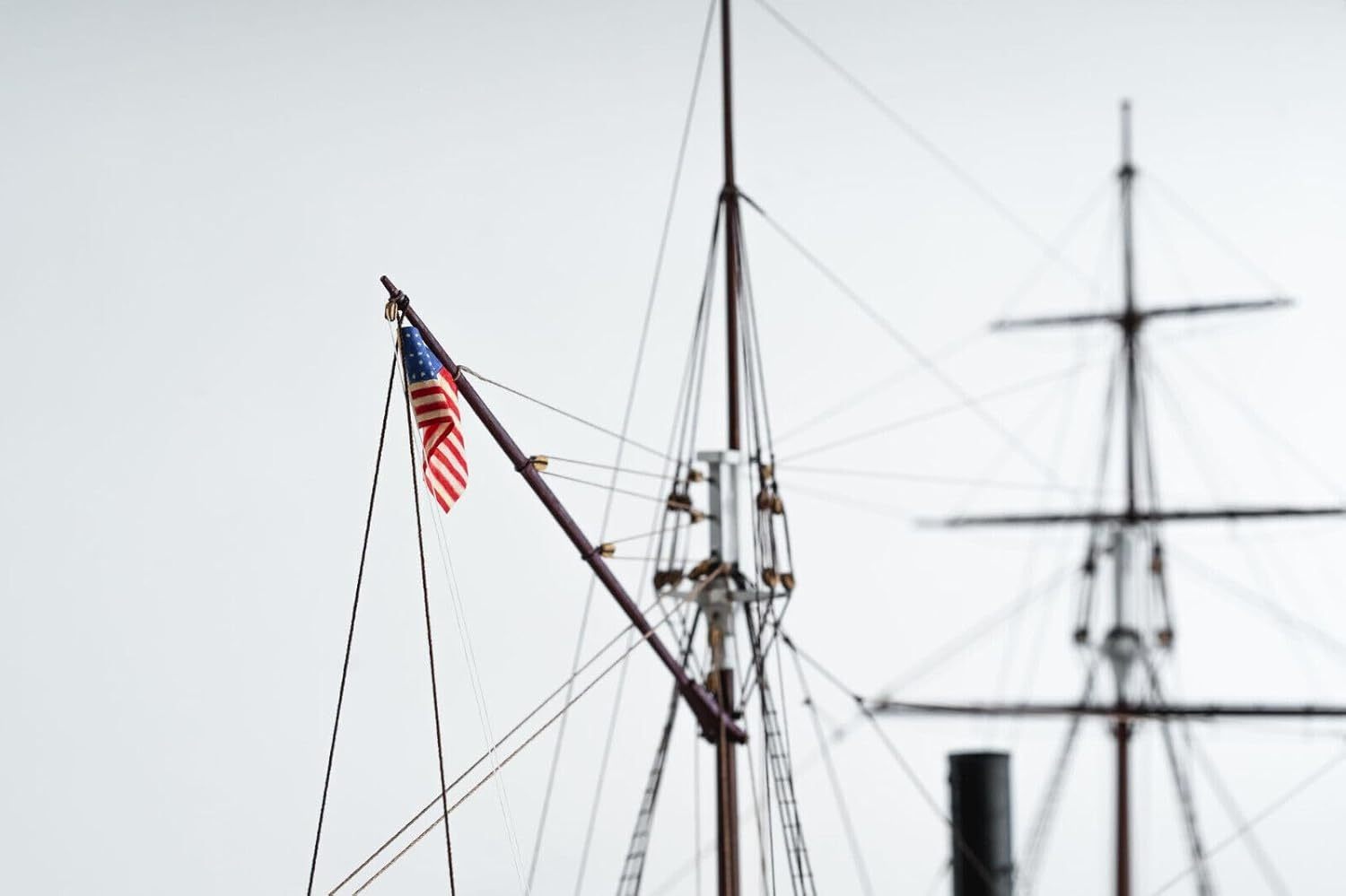
- Many fittings are cast in pewter, or machined in brass; pulleys are hardwood.
Model dimensions :
- Scale 1/96
- Length: 71.12cm
- Width: 20.32cm
- Height: 40.64cm
The ship Harriet Lane, built in New York in 1857 for the U.S. Revenue Service, had a captivating history marked by major historical events. In 1883, it was unfortunately captured by Confederate forces, marking a decisive turning point in its journey.
Initially intended to serve the interests of the U.S. Revenue Service, the ship ended up playing an unexpected role as a "Blockade Runner," coming to the aid of the Southern merchant service. This unexpected transformation demonstrates the flexibility and adaptability of this vessel, which proved to be a crucial asset in the context of the political events of the time.
A "blockade runner" is an English term referring to a type of ship that attempted to break a naval blockade during a war. The naval blockade involves the prohibition of access to a port or coast by the navy of an enemy power, with the aim of preventing any supplies or reinforcements.
Blockade runners were often used during the American Civil War, when the Union sought to block Confederate ports. These blockade runners tried to go unnoticed, often at night or in bad weather, in order to deliver supplies, weapons, or reinforcements to besieged ports.
They were often designed to be fast and maneuverable, and they often relied on speed to escape warships attempting to intercept them. These operations were very risky, and many blockade runners were captured or destroyed during the conflicts.
Harriet Lane stood out for its innovative propulsion, skillfully combining the power of steam with the traditional use of sails. This combination of maritime technologies represented a significant advancement for the time. The ship measured 180 feet in length, with a beam of 30 feet, making it an imposing vessel for its era. Its arsenal included a 30-pound Parrott rifle, as well as three 9-inch smoothbore Dahlgren guns, providing impressive firepower for its size.
The ship housed a crew of 95 members, each of them equipped with light arms. This military readiness emphasizes the strategic importance and versatility of Harriet Lane, ready to face a multitude of situations, whether it be patrol missions or defense.
The very architecture of Harriet Lane bears witness to the technological evolution of the time, marked by the gradual shift from sail to steam. At this stage, steam engines were not yet entirely reliable, hence the need to retain sails as an alternative source of propulsion. This technological duality underscores the challenges faced by maritime engineers of the time, seeking to optimize the reliability and power of steam engines.
The ship Harriet Lane, a symbol of this transition between two maritime eras, has become emblematic of the ingenuity and audacity of the time. It embodies the collective effort to push the boundaries of naval technology and adapt to the political and military challenges of its era.